Plan to implement The Content Zen Framework in 2026 by aligning revenue, marketing, and content teams around a Dynamic ICP, real-time buying signals, and a Shadow Committee driven messaging system. You will start by defining a Dynamic ICP with current technographics and signals, then configure your CRM to surface buying signals and trigger outreach within 24 hours. Map the buying committee including the Shadow Committee and the four buyer personas, and design a Surround Sound messaging plan that speaks to each role’s ROI and workflow impact. Build a proof based content library from case studies, benchmarks, and live sessions. Establish cross functional governance, a multi channel distribution plan, and data hygiene processes. Finally, set up revenue oriented dashboards and a quarterly SWOT review to iterate and improve. Use a pilot to validate, collect feedback, and scale once you see improved win rates and faster cycle times.
This is for you if:
- You lead revenue, marketing, or content strategy planning for 2026.
- You need a Dynamic ICP and real-time buying signals to drive predictable growth.
- You work cross-functionally with product, sales, and customer success to scale impact.
- You want a measurable, proof-driven content engine that ties to revenue and pipeline.
- You seek a governance model with multi-channel distribution and clean data practices.
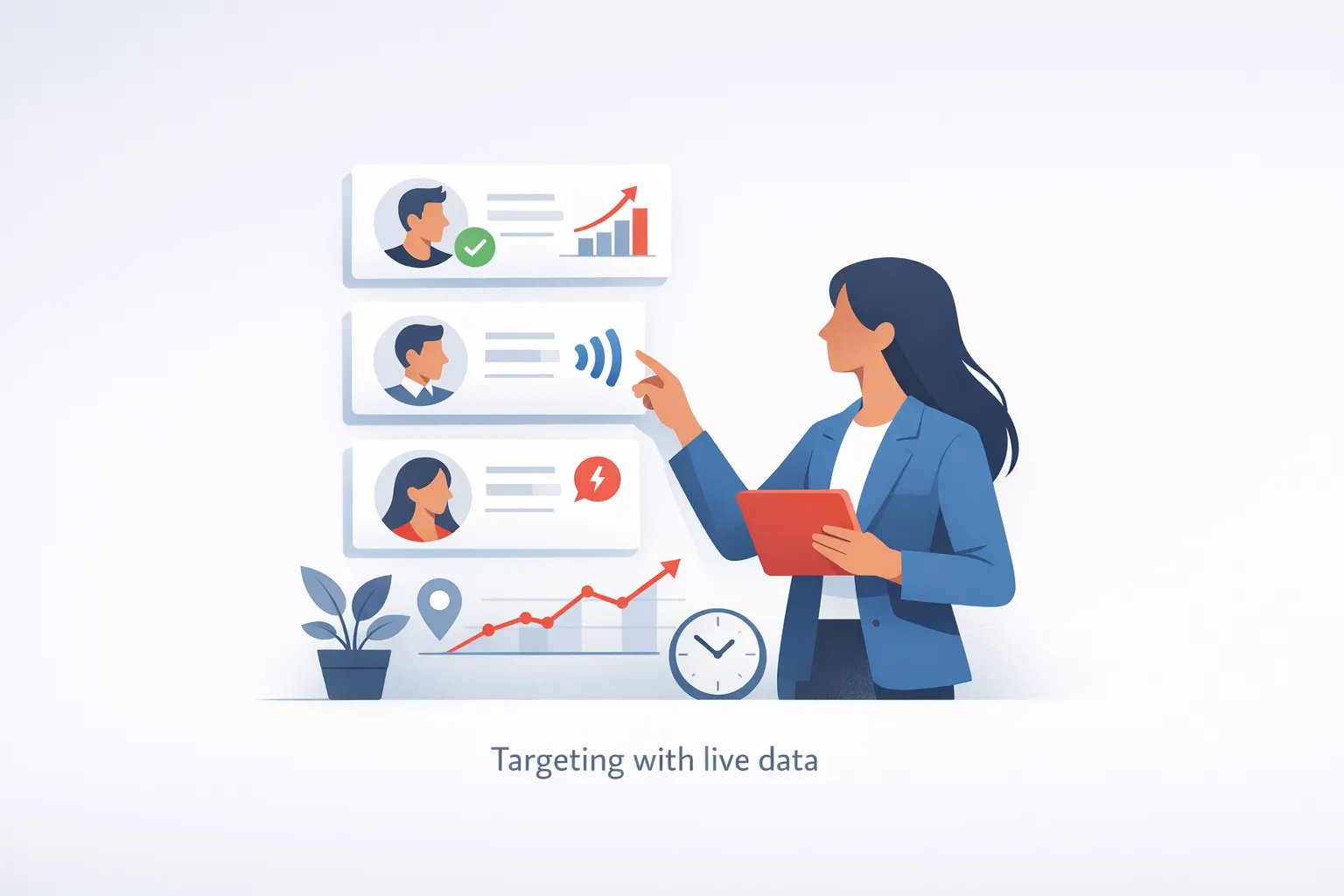
Getting ready to implement The Content Zen Framework in 2026
Prerequisites ensure you start from a baseline that enables fast, measurable returns. By aligning cross functional ownership, securing reliable data sources, and validating a Dynamic ICP, you can shorten time to value and respond to buying signals within 24 hours. This upfront setup also establishes governance, a proof driven content library, and a clear plan for multi channel distribution so the framework scales across teams and initiatives.
Before you start, make sure you have:
- Executive sponsor and cross functional alignment across product marketing sales and customer success
- Access to a CRM with alert automation capable of surfacing real-time buying signals within 24 hours
- A defined Dynamic ICP using current technographics and signals
- Comprehensive stakeholder mapping including Shadow Committee and the four buyer personas Economic Buyer Technical Buyer Risk Gatekeeper End-User
- A proof based content assets library with case studies benchmarks and live sessions
- A multi channel distribution plan with derivatives for website emails sales plays and CS enablement
- Governance processes and data hygiene protocols
- Revenue focused metrics dashboards and a plan for quarterly SWOT analysis
- Access to real-time data sources for technographics and buying signals
- A plan to automate outreach and follow-up within 24 hours of signals
- Templates for stakeholder mapping and a living Shadow Committee map
- Knowledge of privacy compliance and data governance guidelines
- Initial proof assets ready for deployment with prospects
- A schedule for cross-functional reviews to maintain alignment
- Design a B2B Content Strategy for 2026: A Practical Guide
Execute The Content Zen Framework Now: A Hands-On Procedure for 2026
This guide lays out a practical path from concept to concrete results. You will establish a Dynamic ICP fueled by real time technographics, surface buying signals, and a governance model that unites product, marketing, sales, and customer success. By following the steps, you will build a proof driven content engine, set up multi channel distribution, and implement dashboards to measure revenue impact. Expect disciplined collaboration, rapid validation, and iterative improvements that scale as deals close and pipeline grows.
-
Define Dynamic ICP
Identify current technographics and signals and convert them into concrete ICP criteria. Align ICP with revenue goals and sales motions. Confirm data access across teams and establish a living ICP document.
How to verify: ICP is approved by cross functional stakeholders and reflected in outbound playbooks.
Common fail: Using outdated data or lacking cross functional buy in.
-
Identify Real-Time Signals
Catalog signals such as executive shifts hiring trends and funding rounds. Set up monitoring feeds and map signals to CRM triggers. Test outreach timing to ensure responses within a rapid cycle.
How to verify: Signals are flowing into CRM and triggers fire on new events.
Common fail: Signals not integrated or alerts misconfigured.
-
Map Shadow Committee and Personas
Document the four buyer personas Economic Buyer Technical Buyer Risk Gatekeeper End-User and identify Shadow Committee influencers. Build a stakeholder map that shows influence and access to decisions. Validate coverage across stages of the buying journey.
How to verify: Stakeholder map completed and signed off by leadership.
Common fail: Missing influencers or incomplete persona definitions.
-
Develop Surround Sound Messaging
Craft tailored ROI and workflow benefits for each persona and align messages across channels. Build parallel threads that address the concerns of each role without duplicating content. Validate messaging against real use cases before distribution.
How to verify: Message templates exist and pass a cross functional review.
Common fail: One size fits all messaging or mismatched value props.
-
Build Proof Based Content Library
Assemble case studies benchmarks and live sessions that prove value. Organize assets by buyer moment and format for quick access in deals. Ensure content is accessible within the CRM and sales enablement tools.
How to verify: Asset library populated and linked to ICP segments.
Common fail: Evidence is outdated or difficult to locate during deals.
-
Design Multi Channel Distribution Plan
Plan derivatives for website emails sales plays and CS enablement. Create a cadence that supports deals from awareness to decision. Align ownership and governance across channels.
How to verify: Distribution plan documented and cross functional owners assigned.
Common fail: Channel fragmentation or inconsistent messaging across channels.
-
Establish Governance and Data Hygiene
Define data standards privacy rules and ownership. Schedule regular governance cadences and ensure data quality checks. Maintain a single source of truth for ICP and content usage.
How to verify: Governance routines are in place and data quality metrics meet minimum benchmarks.
Common fail: Siloed teams and stale data causing misalignment.
-
Set Up Measurement Dashboards and SWOT Cadence
Define revenue aligned KPIs build dashboards and establish a quarterly SWOT review. Tie insights directly to strategy adjustments and content priorities. Maintain visibility for leadership with regular reporting.
How to verify: Dashboards live and SWOT updates occur on schedule.
Common fail: Vanity metrics drive decisions or reviews become ceremonial.
-
Launch and Iterate in Deals
Run a controlled pilot with select accounts using the full framework. Collect feedback from buyers and internal stakeholders. Use findings to refine ICP signals messaging and asset usage before broader rollout.
How to verify: Pilot outcomes are documented and used to adjust the playbooks.
Common fail: No systematic iteration or delayed adoption after pilot.
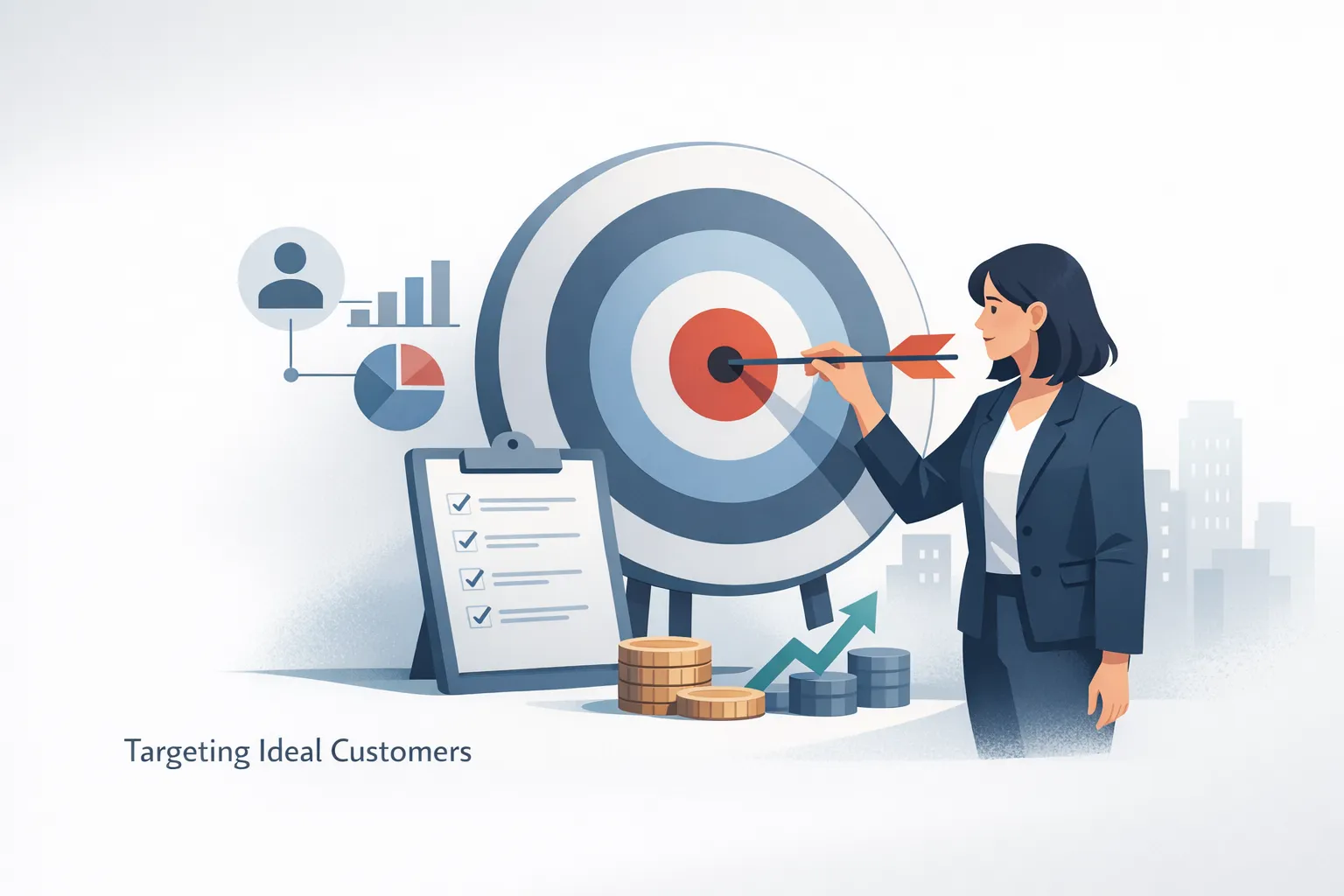
Verification: Confirming The Content Zen Framework Delivers Revenue Impact
Verification ensures the framework is driving measurable outcomes across teams. You confirm success by validating that the Dynamic ICP is embraced by stakeholders, buying signals reliably surface in the CRM, and the Shadow Committee plus persona mappings are actively used in outreach. Confirm that the proof library informs deals, dashboards reflect revenue activity, and governance routines are in place. Regular SWOT reviews should influence strategy, and pilots should translate into broader rollout. The process emphasizes data driven decisions and continuous improvement.
- ICP alignment is documented and reflected in outreach plans
- Real time signals trigger CRM actions within agreed response windows
- Shadow Committee and four buyer personas mapped and accessible
- Surround Sound messaging deployed across relevant channels
- Proof based assets organized and linked to ICP segments
- Multi channel distribution plan documented with derivatives
- Governance cadences established and data hygiene maintained
- Revenue dashboards live and SWOT cadence followed
| Checkpoint | What good looks like | How to test | If it fails, try |
|---|---|---|---|
| ICP Alignment | ICP is approved and used in outbound playbooks | Review ICP document and cross functional sign off | Refresh data sources and re run alignment workshop |
| Signals Integration | Signals feed CRM and trigger timely actions | Trigger a test signal and verify CRM activity | Reconfigure data feeds and alert rules |
| Shadow Committee Mapping | Stakeholder map includes all four personas and influencers | Check CRM map and validate access to decision points | Conduct stakeholder interviews and update map |
| Surround Sound Messaging | Persona specific messages exist and are active | Audit outreach sequences across channels | Revise value props per persona |
| Proof Library | Assets linked to ICP and used in deals | Check enablement usage and deal attachments | Create new assets and tag to ICP segments |
| Distribution Plan | Derivatives ready for website email sales plays CS enablement | Review taxonomy and derivative asset availability | Prioritize derivatives and assign owners |
| Governance & Data Hygiene | Cadences in place and data clean | Review governance minutes and data quality metrics | Run data cleansing and automate governance checks |
| Revenue Dashboards & SWOT | Dashboards reflect revenue impact; SWOT updated | Verify dashboard reports and SWOT timestamps | Adjust KPI definitions or data sources |
Troubleshooting the Content Zen Framework in Practice
Troubleshooting The Content Zen Framework helps you quickly identify where momentum stalls and restore revenue momentum. When results lag, inspect ICP alignment real time signals governance cadences and asset accessibility then implement targeted fixes and revalidate with pilots. Use these steps to isolate issues verify data flows and keep deals moving while preserving cross functional alignment.
-
Symptom: ICP accuracy drifts and target accounts lose relevance
Why it happens: Data hygiene gaps and infrequent ICP updates; technographics become stale; lack of cross functional validation
Fix: Schedule a quarterly ICP refresh using live technographics require sign off from product marketing and sales and update the CRM with new criteria run a quick pilot on a subset before broad deployment
-
Symptom: Signals fail to trigger CRM actions within 24 hours
Why it happens: Gaps between data sources and CRM wrong thresholds and manual steps
Fix: Verify data connectors set up end to end test from signal to outreach adjust thresholds ensure automatic triggers and test with a known account
-
Symptom: Shadow Committee mapping is incomplete
Why it happens: Stakeholder interviews not completed missing influencers
Fix: Schedule interviews with key departments fill gaps with known influencers keep living map updated and publish accessible version in the CRM
-
Symptom: Surround Sound messaging does not resonate
Why it happens: Generic messaging misaligned with persona pains insufficient proof alignment
Fix: Update ROI narratives per persona run messaging A/B tests ensure assets reflect real use cases coordinate with channel owners
-
Symptom: Proof assets are not accessible in CRM
Why it happens: Tagging errors permissions outdated attachments
Fix: Audit asset taxonomy ensure assets are tagged and searchable automate linking to ICP segments verify permissions
-
Symptom: Content distribution plan is not executed
Why it happens: Lack of governance ownership derivative gaps and insufficient cadence
Fix: Assign owners per channel create derivative assets schedule cadence integrate with sales enablement
-
Symptom: Governance cadences not followed and data quality drops
Why it happens: Overloaded teams manual processes missing automation
Fix: Implement scheduled governance rituals automate data quality checks set alerts for anomalies
-
Symptom: Revenue dashboards do not reflect impact
Why it happens: KPI definitions misaligned data sources missing delays in refresh
Fix: Revisit KPI definitions connect data sources set a regular data refresh cadence validate with finance
-
Symptom: Pilot results fail to scale
Why it happens: Feedback loop incomplete learnings not codified lack of phased rollout
Fix: Document pilot outcomes convert learnings into updated playbooks plan phased expansion secure executive sponsorship
What to Ask Next About The Content Zen Framework
- What is the core idea of The Content Zen Framework for 2026? It unites revenue marketing and content teams around a Dynamic ICP real time buying signals and a governance driven proof based content engine to drive predictable revenue across multi channel distribution.
- How does Dynamic ICP differ from a static ICP and why does it matter? Dynamic ICP uses current technographics and signals to target accounts in market now, increasing precision and speed to engagement while reducing wasted effort.
- Which real time buying signals should we monitor? Executive shifts hiring trends and funding rounds are key signals that indicate shifts in priority or budget and trigger rapid outreach.
- Who is in the Shadow Committee and why map four buyer personas? The Shadow Committee includes influencers who can shape a deal; map Economic Buyer Technical Buyer Risk Gatekeeper and End-User to ensure multi threaded messaging.
- What is Surround Sound messaging and how is it used? It is a multi channel outreach approach that tailors ROI and workflow benefits to each persona while coordinating across channels.
- What should a proof based content library contain? A library of case studies benchmarks and live sessions that are linked to ICP segments and easily deployable in deals.
- How do governance and data hygiene enable scale? They establish data ownership standards privacy rules and cadences to maintain clean data and consistent enablement.
- How do we measure success and iterate? Use revenue oriented dashboards and quarterly SWOT reviews to guide updates to ICP signals and messaging based on real results.
Common Questions About The Content Zen Framework
What is the core idea of The Content Zen Framework for 2026?
The core idea of The Content Zen Framework for 2026 is to unite revenue marketing and content teams around a Dynamic ICP real-time buying signals and a governance driven, proof based content engine. It enables cross channel distribution and measurable revenue outcomes by tying content to specific ICP criteria and live market signals. The framework emphasizes rapid validation, multi stakeholder alignment, and continuous iteration to move deals faster and close more effectively.
How does Dynamic ICP differ from a static ICP and why does it matter?
Dynamic ICP differs from a static ICP by anchoring targeting on current technographics and real-time signals rather than historical firmographics alone. By continuously updating ICP with the technologies a target uses and signals that indicate in market behavior, teams achieve higher precision and faster engagement. This reduces wasted effort on accounts unlikely to buy and creates a foundation for timely, relevant outreach and better alignment with how buying decisions actually unfold in modern organizations.
Which real time buying signals should we monitor?
Key real-time buying signals to monitor include executive shifts hiring trends and funding rounds. These signals reflect shifts in priority capacity and budgets signaling that a target may be ready for a conversation. When these signals occur, automate CRM alerts and trigger outreach within a short time window to ensure involvement of the right stakeholders before competitors do.
Who is in the Shadow Committee and why map four buyer personas?
Shadow Committee comprises influencers who can shape a deal even if not the final decision maker. Mapping four buyer personas Economic Buyer Technical Buyer Risk Gatekeeper End-User ensures messaging addresses ROI risk and usability from multiple angles. The combined insight of these roles helps drive multi-threaded outreach and coordinates internal alignment across product security and success teams, ensuring stakeholders from different functions contribute to the deal narrative.
What is Surround Sound messaging and how is it used?
Surround Sound messaging delivers parallel, tailored narratives to each persona across channels. It combines ROI narratives for Economic Buyers with integration and risk considerations for Technical Buyers while highlighting usability for End-Users and risk mitigation for Gatekeepers. The goal is consistent, multi touch outreach that converges on a deal from several angles rather than a single pitch.
What should a proof based content library contain?
A proof based content library compiles case studies benchmarks and live sessions that demonstrate outcomes and ROI. Assets should be tagged by ICP segment and buyer moment so sellers can reach for the most relevant proof during deals. The library must be accessible from CRM or enablement tools and updated regularly to reflect current customer results.
How do governance and data hygiene enable scale?
Governance and data hygiene establish clear ownership privacy rules and cadences to maintain data quality security and consistency across teams. A single source of truth for ICP and content usage reduces misalignment and speeds enablement. Regular audits automate quality checks and ensure compliance, while cross-functional rituals keep stakeholders accountable and informed about data health and policy changes.
How do we measure success and iterate?
Success is measured with revenue oriented dashboards and quarterly SWOT reviews that tie content activity to pipeline and win rate. The framework requires ongoing iteration driven by results adjusting ICP signals messaging assets and distribution plans as market feedback emerges. Regular reviews keep teams aligned with strategic goals and help scale the program while preserving agility.