Begin by collecting the current top ranking pages for your target query and pulling the SERP evidence that signals user intent. Then extract the visible intents from the page headings, meta snippets, People Also Ask, and related searches, and map them to concrete user goals. Simultaneously run an entity extraction pass on each page to identify key concepts, entities, and relationships, using a taxonomy you’ve defined. Normalize the entities across pages, assign a type to each (person, place, organization, concept, product), and attach context so you know why each entity matters for the intent. Link each intent to the relevant entities to form clusters, then build a consolidated intent entity map. Validate the map against new top ranking pages and refine until the signals align with real user questions. This creates a repeatable, data driven workflow for content planning and SEO.
This is for you if:
- You need a repeatable workflow to translate SERP signals into actionable intents and entities.
- You work with SERP evidence tools and NLP pipelines.
- You want to align content planning with user intent clusters.
- You manage or collaborate on content and knowledge graph integration.
- You want to improve entity accuracy and reduce ambiguity across pages.
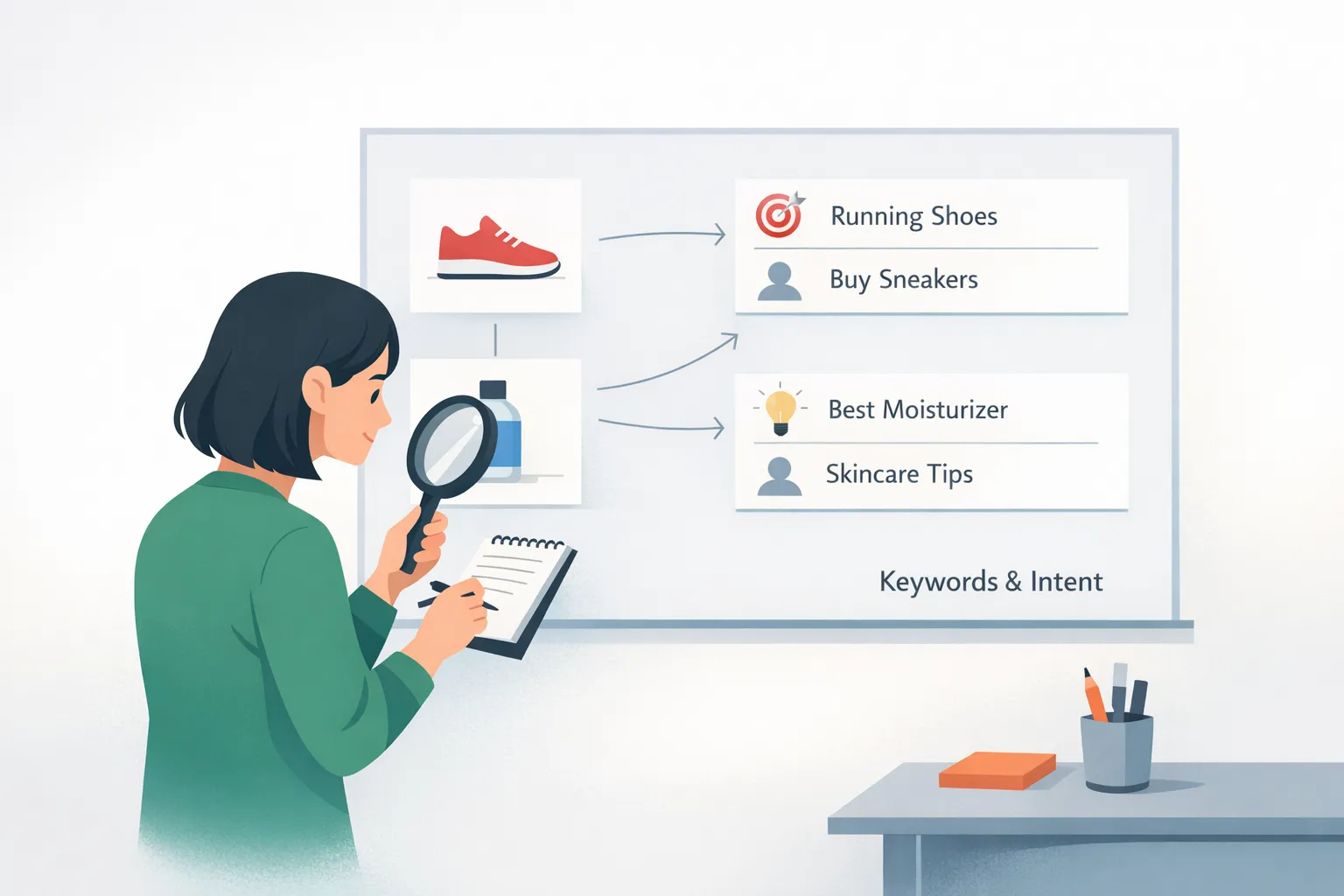
Prerequisites for Extracting Intent and Entities from Top Ranking Pages
Prerequisites matter because a solid foundation ensures the extraction process is accurate, repeatable, and scalable. When the inputs are clearly defined and organized, you can consistently translate SERP signals into meaningful intents and entities, reducing guesswork and speeding up content planning.
Before you start, make sure you have:
- Access to SERP evidence tools and NLP pipelines to identify user intent and extract entities
- A defined target query or topic to analyze
- A list of current top ranking pages for the target query
- Ability to export data into structured formats for mapping
- A taxonomy for intent types and entity classes
- Clear ownership of the process and a documented workflow
- Capability to map pages to canonical entities and collect context
- Tools to normalize and reconcile entities across pages
- A plan to validate findings against fresh pages to confirm generalization
- A storage area or CMS extension to store the entity map and relationships
Take Action: Extract Intent and Entities from Top Ranking Pages
Set expectations for a focused, repeatable workflow that turns SERP signals into concrete intents and entity lists. You will gather ranking pages, pull the relevant signals, and map user goals to key concepts so the results feed content planning and knowledge graph work. The process emphasizes clarity, repeatability, and validation with fresh pages to keep mappings current as results shift.
-
Identify top ranking pages
List the pages currently ranking for the target query and save them in a dedicated working document. Note page type and any visible publication dates for context. Create a snapshot that you can reproduce for future checks.
How to verify: The page list covers the primary results and representative variants.
Common fail: Missing important domains or biased sample.
-
Gather SERP signals
Capture titles, meta descriptions, People Also Ask questions, related searches, and featured snippets from each ranking page. Export signals into a structured sheet or table for comparison.
How to verify: All relevant SERP signals are collected for every page.
Common fail: Signals are incomplete or inconsistently formatted.
-
Extract intents from SERP
Identify the user goals implied by the SERP signals and group them into intent clusters. Document the rationale for each cluster and its relation to the target query.
How to verify: Intents are named clearly and attached to corresponding pages.
Common fail: Vague or overlapping intent categories.
-
Extract entities from each page
Run an entity extraction pass on the visible content to pull key concepts, people, places, and products. Capture context that explains why each entity matters to the intent.
How to verify: Each page yields a named entity list with contextual notes.
Common fail: Missing important entities or mislabeling types.
-
Normalize and classify entities
Standardize entity names, assign types (person, place, organization, concept, product), and harmonize variants across pages.
How to verify: A consistent taxonomy is applied across all pages.
Common fail: Inconsistent labeling or duplicate entities.
-
Link intents to entities across pages
Connect each intent with the most relevant entities and show how they cluster across the site. Build early maps of relationships to guide content planning.
How to verify: Cross-page mappings exist and form coherent clusters.
Common fail: Missing connections between related intents and entities.
-
Build consolidated intent map
Consolidate the per-page mappings into a single, navigable map that serves as the source of truth for planning. Document ownership and update cycles.
How to verify: A centralized map is created and accessible to stakeholders.
Common fail: Fragmented data sources and ambiguous ownership.
-
Validate results with new pages
Test the mappings on a fresh set of ranking pages to confirm generalization. Adjust the map based on any new intents or entities observed.
How to verify: The new pages align with existing clusters and add no significant drift.
Common fail: Overfitting to the initial sample or missing emerging signals.
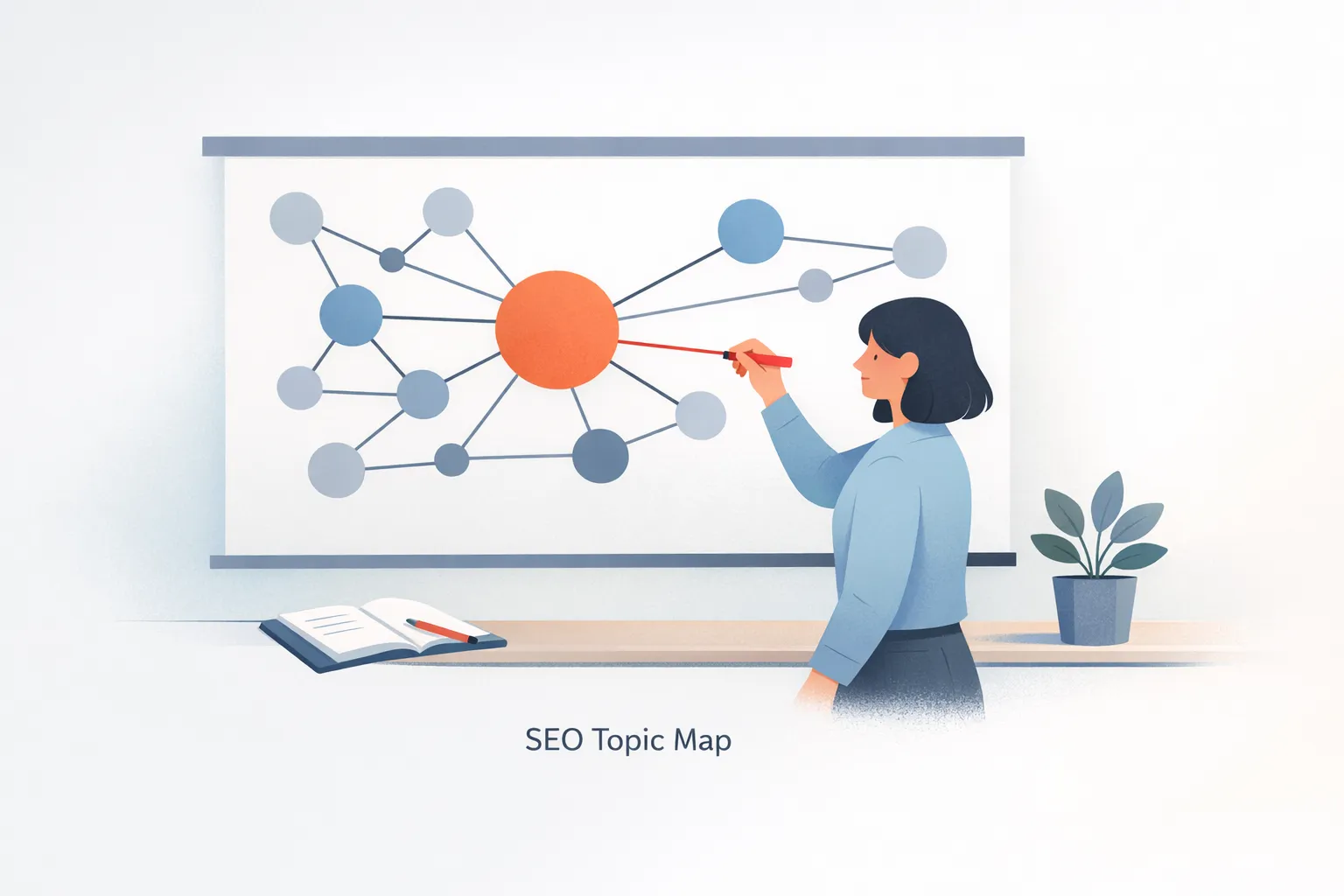
Verification: Confirm Intents and Entities Align with SERP Signals
This verification step confirms that the extracted intents and entities truly reflect what readers search for and how pages address those needs. You will compare the mapped intents to the visible page content, test consistency across multiple ranking pages, and validate that new pages still fit the established clusters. The goal is to ensure the map is reliable reusable and ready for integration into content plans and knowledge graphs. Treat this as a fast check before scaling the process to additional topics.
- Intents named clearly and mapped to pages
- Entities have defined types and contexts
- Cross-page clusters reflect user intent
- Per-page entity lists with rationales exist
- Taxonomy applied consistently across pages
- New pages validate generalization of the map
- Data exports are structured for CMS and knowledge graphs
- Workflow is documented for repeatability
| Checkpoint | What good looks like | How to test | If it fails, try |
|---|---|---|---|
| Intent-Entity Map Completeness | Central map covers all major intents and linked entities | Review a sample of pages to ensure every intent links to at least one entity | Revisit extraction steps and expand taxonomy |
| Cluster Consistency | Intents and entities cluster logically by topic | Check clusters against audience questions and search queries | Refine clusters and reassign entities as needed |
| New Page Generalization | Fresh pages align with existing clusters | Run extraction on new pages and compare to the map | Update map with new intents/entities |
| Entity Type Accuracy | All entities labeled with predefined types | Spot-check random samples for type correctness | Normalize taxonomy and reclassify |
| Documentation and Repeatability | Steps are clear and executable by others | Have a peer replicate the process with identical inputs | Clarify guidance and add an example run-through |
Troubleshooting: Fixing Extraction Hurdles from Top Ranking Pages
When results don’t align with expectations you need a focused fast track for diagnosing issues and applying concrete fixes. This section guides you through common problems usability of the data quality and process reliability. Use the checks to keep intents and entities accurate and adaptable as SERP signals shift over time while maintaining a repeatable workflow for future topics.
-
Symptom:
Intents are scattered across pages and form inconsistent clusters.
Why it happens: Signals vary by page and clustering rules may not be uniformly applied, causing fragmentation.
Fix: Re-run intent extraction, standardize cluster labels, and re-map each page to the appropriate intent group.
-
Symptom:
Entities are mislabelled by type (for example a company tagged as a product).
Why it happens: Taxonomy definitions are unclear or not applied consistently.
Fix: Review the taxonomy recategorize mislabelled entities and enforce type tags across all pages.
-
Symptom:
Key intents appear to be missing from the map.
Why it happens: SERP signals may omit some user goals or long-tail queries.
Fix: Expand the SERP data window mine long-tail questions and add new intents with justification.
-
Symptom:
Duplicate or synonymic entities clutter the map.
Why it happens: Different spellings or aliases refer to the same concept.
Fix: Consolidate duplicates under a canonical ID and map synonyms to that ID.
-
Symptom:
No clear links between intents and entities across pages.
Why it happens: The relationship mapping step was skipped or incomplete.
Fix: Create a cross-page relationship view and explicitly connect each intent to the most relevant entities.
-
Symptom:
Signals drift after SERP updates or topic shifts.
Why it happens: The content landscape evolves and mappings weren't refreshed.
Fix: Re-run the SERP evidence refresh the intent and entity map and set a maintenance cadence.
-
Symptom:
Data exports do not import cleanly into the CMS or graph.
Why it happens: Export schema differs from CMS expectations.
Fix: Define a standard export schema convert existing exports and validate import with a test page.
-
Symptom:
Tool access or API limits cause delays.
Why it happens: Rate limits or outages interrupt the workflow.
Fix: Implement a queue with backoff cache results and schedule large runs during off-peak times.
Common questions about extracting intents and entities
- What is the difference between intents and entities in this workflow? Intents describe the user goals inferred from SERP signals. Entities are the real world concepts that ground those intents and enable precise mapping across pages.
- How many top ranking pages should I analyze to start? Begin with a representative sample across positions and domains and expand as signals emerge. The aim is to balance coverage with practicality.
- What tools help extract intents from SERP data? Use SERP evidence tools to collect titles, snippets, PAA and related searches, then apply NLP processes to categorize user goals. Keep labeling consistent with a defined taxonomy.
- How do I extract and categorize entities from pages? Run an entity extraction pass on visible content, gather context, and assign a type to each entity. Normalize names across pages and map synonyms to a canonical ID.
- How do I link intents to entities across pages? Build cross page mappings that show which entities support which intents and group related pages into clusters. Use the mappings to inform content planning.
- How can I verify that the extracted intents reflect real user needs? Validate mappings against fresh SERP signals and test with new pages for alignment. Adjust the map as signals shift.
- What role does taxonomy play in this workflow? A clear taxonomy standardizes entity types and intent categories reducing ambiguity and enabling scalable mapping.
- How often should I refresh the intents entities map? Schedule refreshes aligned with topic shifts and SERP changes, and after major algorithm updates to stay current.
Common questions about extracting intents and entities
- What is the difference between intents and entities in this workflow? Intents describe user goals inferred from SERP signals. Entities are real world concepts that ground those intents and enable precise mapping across pages. They help connect questions to topics and create a semantic structure for content planning.
- How many top ranking pages should I analyze to start? Start with a representative sample across positions and domains to balance coverage with practicality. Analyze enough pages to see recurring intents and central entities, then broaden as signals emerge. The aim is to capture both head terms and meaningful long tail variations without overwhelming the workflow.
- What tools help extract intents from SERP data? Use SERP evidence tools to collect titles, snippets, PAA questions, related searches, and features like rich snippets. Then apply NLP processes to categorize user goals, keeping a defined taxonomy for labeling intents and ensuring consistency across pages. This creates reliable, comparable signals that feed into content planning and knowledge graph alignment.
- How do I extract and categorize entities from pages? Run an entity extraction pass on visible content to pull key concepts, people, places, and products. Capture concise context that explains why each entity matters to the intent. Assign a clear type to each entity, normalize names across pages, and map synonyms to canonical IDs so the resulting entity sets stay coherent, deduplicated, and ready for cross page linking.
- How do I link intents to entities across pages? Create cross page mappings that show which entities support which intents and group related pages into clusters. Visualize connections to guide content planning and build foundational relationships that mirror how users navigate topics. A strong intent to entity map helps you organize content hierarchies and knowledge graph structures.
- How can I verify that the extracted intents reflect real user needs? Validate mappings against fresh SERP signals and test with new pages to confirm alignment. Watch for emerging questions, adjust the map accordingly, and re run extractions on a regular cadence. The goal is a stable map that reflects current search behavior without overfitting to a single data slice.
- What role does taxonomy play in this workflow? A clear taxonomy standardizes entity types and intent categories reducing ambiguity and enabling scalable mapping. It acts as the backbone for labeling, clustering, and cross page comparisons. With a shared taxonomy everyone on the team speaks the same language and can reproduce the process.
- How often should I refresh the intents entities map? Plan refreshes in response to topic shifts and SERP changes, and after major algorithm updates to stay current. Set a cadence that fits your topic velocity and resources so the map remains accurate over time and continues to support content planning.