Content Distribution Playbook: Channels, Cadence, and KPIs for 2026 outlines a scalable, cross‑channel framework to convert pillar content into a predictable pipeline. It anchors on a pillar/cluster model, with atomized assets tailored to owned, earned, and paid channels, and a cadence designed to align with problem‑aware, solution‑aware, and vendor‑aware buyer journeys. The plan emphasizes governance, attribution, and practical guardrails—gate vs ungated content, microsites for ABM, and tight internal linking—to ensure coherence across formats and touchpoints. It defines leading indicators (reach, engagement, time on page, shares) and lagging outcomes (demo rate, SQL, revenue influenced) within a unified measurement model. The playbook prescribes stepwise implementation, from topic selection and pillar creation to cadences, asset repurposing, and post‑launch optimization, plus verification checkpoints and error‑proofing. It also highlights edge cases, like channel diversification, rapid content atomization, and the need for sales enablement and field alignment to sustain momentum into 2026 and beyond.
This is for you if:
- You’re a B2B marketer focused on content distribution and its impact on pipeline velocity.
- You need concrete plays, cadences, and KPI guidance to operationalize a pillar/cluster model.
- Your team is adopting an ABM approach with personalized distribution and microsites.
- You require a disciplined measurement framework that ties content to revenue.
- You want a governance and enablement plan that reduces friction between marketing and sales.
Definitions
Pillar content
Pillar content is a cornerstone piece that serves as the central hub for a topic. It is designed to attract linked assets and establish topic authority. A pillar usually covers the core questions buyers ask and creates a foundation for supporting materials that dive into subtopics with greater depth.
Cluster content
Cluster content consists of supporting posts that expand on subtopics linked back to the pillar. Each cluster targets long tail keywords and detailed angles, reinforcing the pillar’s relevance while broadening the content footprint across search and social channels.
Gate vs ungated
Gate content behind a form when the value is obvious and the action justifies the barrier. Ungated content remains freely accessible, driving broader distribution and top of funnel engagement, while still enabling downstream measurement through traps like forms on later assets.
Atomization
Atomization is the process of turning a single pillar asset into 10 or more channel native deliverables. Carousels, clips, templates and short videos are examples. The goal is to maximize reach without diluting core messages.
ABM microsites
ABM microsites are account focused hubs that tailor content to Tier 1 prospects. They should integrate with the main hub content while delivering account specific value, and they must connect back to shared KPI frameworks to ensure consistent measurement.
Cadence
Cadence defines the scheduled rhythm for publishing and promotion. It balances new pillar content, cluster updates, and ongoing asset refreshes. Cadence is tuned to each channel and buyer journey stage to sustain momentum without fatigue.
Attribution
Attribution is the method for assigning credit across touchpoints. A practical approach blends multi touch signals with clear ownership, and uses defined windows to connect engagement with pipeline outcomes.
MQL / SQL / pipeline terminology
Marketing Qualified Lead signals readiness for sales engagement, while Sales Qualified Lead indicates readiness for direct selling activity. Pipeline terminology tracks progression from lead to opportunity and, ultimately, revenue, helping connect content activities to measurable results.
Mental model / framework
Pillar/Cluster content framework
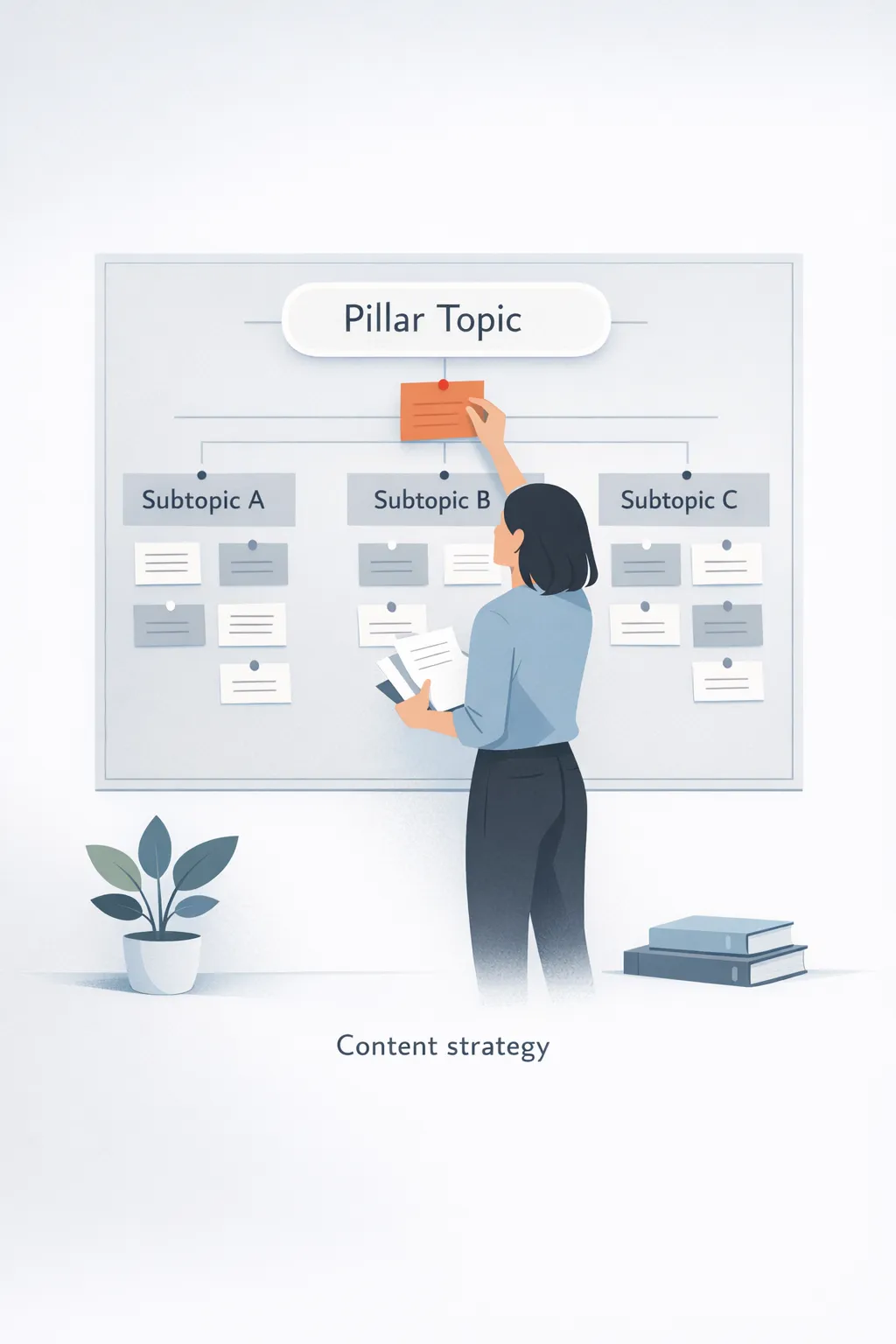
Think of the pillar as the authority page and the clusters as a network of deeper dives. Internal links reinforce topic authority and guide both readers and search engines through a logical path from broad concept to specialized insight. This structure supports scalable distribution across channels and improves topic visibility in search results.
Atomization and asset velocity
Begin atomization in the planning phase, not after publish. Map a single pillar to a catalog of assets that suits each channel format. Maintaining message coherence across formats is essential to prevent fragmentation and to preserve the opportunity for cross channel retargeting.
Cadence and always-on distribution
Adopt a baseline cadence that keeps channels active while leaving room for experiments. Always on distribution means regular postings across owned, earned, and paid channels, coupled with periodic refreshes to keep content relevant and aligned with evolving buyer needs.
Gate vs ungated content strategy
Use gates strategically to protect assets that deliver high perceived value. When gate decisions are too aggressive, top funnel reach can suffer. A general preference for ungated assets supports discovery and faster distribution while still enabling downstream capture through subsequent offers.
ABM microsites and personalization
Personalization for Tier 1 accounts requires alignment between content and field teams. Microsites should feed into a shared KPI framework, with clear navigation back to the pillar hub and consistent measurement across assets and accounts.
Measurement philosophy and governance
Adopt a measurement philosophy that blends leading indicators with outcomes. Governance should specify ownership, SLAs, tagging rules, and a regular review cadence to keep efforts aligned with revenue goals and team capabilities.
Channel strategy and asset framework
Owned channels
Ownership channels such as the website and blog anchor the hub. Email nurtures and gate strategy should be used judiciously to protect long term engagement. Regular updates to pillars and clusters help keep the core narrative fresh while supporting evergreen value.
Earned channels
Earned channels extend reach through partner cross posts, press, and community contributions. Tie these efforts to specific outcomes like site visits, asset downloads, and pipeline signals, and ensure the content aligns with the pillar themes to maximize relevance.
Paid channels
Paid distribution accelerates learning and scales reach. Develop multiple creative angles per asset, refresh creative regularly, and set strict attribution to ensure a clear link to pipeline outcomes. Guardrails help manage fatigue and cost per result.
ABM-specific distribution and microsites
ABM requires deeper personalization and a cadence that respects the buying committee. Pair microsite experiences with synchronized field enablement to maximize engagement and track account level progression through the funnel.
Internal linking and navigation governance
Internal linking should be planned from the outset. Breadcrumbs, pillar to cluster connections, and consistent navigation reduce user friction and strengthen topic authority for both readers and search engines.
Step 1: Define pillar topic and buyer personas
Identify a core topic with broad appeal to problem aware and solution aware buyers. Build 2 to 3 buyer personas that capture ICPs, journeys, and content preferences. Align these with the pillar and clusters so every asset speaks a consistent value thesis.
Step 2: Build pillar page, map clusters, and set internal linking
Draft a pillar page that establishes the central narrative. Create a topic tree of clusters that expand subtopics, and plan a robust internal linking structure to connect pillar to clusters and back. Ensure every link has a clear purpose and trackable CTA.
Step 3: Create atomization plan for 10+ channel-native assets
From the pillar, outline formats for each channel, including carousels, clips, templates, and long form assets. Define templates and style guidelines to maintain coherence across formats while optimizing for each platform’s best practices.
Step 4: Design cadence by channel and buyer stage
Assign channel specific cadences that reflect audience behavior and platform dynamics. Balance new pillar content with ongoing assets and refresh cycles so engagement remains steady across stages of the buyer journey.
Step 5: Plan gate decisions and ungated content inventory
Document gate thresholds and map gated assets to nurturing pathways. Maintain an ungated stockpile of high value assets to maximize reach, while gating appropriate resources to accelerate conversions when justified by ROI.
Step 6: Set up attribution, UTMs, and dashboards
Define a tagging and measurement blueprint. Standardize UTMs, ensure clean data flow into dashboards, and plan a single source of truth where channel performance, engagement, and pipeline influence converge for analysis.
Step 7: Develop enablement assets for sales and partners
Create playbooks, snippet packs, and field ready assets that sales and partners can use at different stages. Align enablement with the pillar and cluster narrative so messaging remains consistent across touchpoints.
Step 8: Launch the pilot with a 10‑day sprint and follow‑up cadence
Execute a short launch window that prioritizes pillar publish, executive posts, partner cross posts, and a multi angle paid test. Follow with a structured enablement handoff and a sales readiness review to ensure reps can act on the insights.
Step 9: Monitor leading indicators and downstream pipeline signals
Track reach, saves, scroll depth, and watch time as immediate indicators, then monitor MQL to SQL progression and demo rates to assess pipeline impact. Use these signals to decide next steps for optimization.
Step 10: Iterate, refresh pillar/cluster content, and scale successful assets
Refine topics based on performance, refresh underperforming assets, and scale by developing additional clusters. Expand atomization to new formats and channels as outcomes justify the investment.
Verification checkpoints
Beyond launching a pillar and its clusters, a disciplined verification process ensures the distribution plan remains coherent, accountable, and measurable. Start with a pre launch sanity check that pillar content, internal links, and UTM tagging are in place and that attribution windows align with your buyer journey. Confirm that dashboards pull data from a single source of truth or a clearly defined data blend so you can compare channel performance with pipeline outcomes. After launch, monitor early indicators such as reach, saves, and scroll depth to confirm that the asset is gaining momentum across owned, earned, and paid channels. Look for alignment between these leading signals and downstream signals like MQL to SQL progression and demo requests. If a gap appears, identify whether the issue stems from creative fatigue, misaligned cadences, or gaps in enablement that prevent sales from acting on insights. The verification process should be iterative, with predefined checkpoints at 14 days and 30 days to decide whether to escalate, optimize, or scale.
In addition to technical checks, establish governance rituals that keep teams coordinated. SLAs for asset updates, reviews of gating decisions, and a quarterly audit of pillar to cluster ties help maintain long term relevance. Regular checks on tag consistency, asset naming conventions, and data quality prevent attribution drift. Finally, document lessons learned and update playbooks so future launches benefit from prior observations, reducing risk in fast moving markets.
Table section: Channel deployment snapshot (structure & rationale)
What this snapshot is intended to show
The snapshot is designed to surface how each channel supports the pillar’s objectives, what metrics matter most, and where to invest or prune. It translates strategic intent into concrete, comparable data points that guide planning, optimization, and budgeting decisions across the year.
How the snapshot informs channel mix decisions
By laying out cadence, KPI targets, and lead indicators per channel, the snapshot makes it possible to run scenario analyses. Marketers can test whether increasing owned asset velocity reduces CAC, or whether a stronger earned media push improves lead quality without sacrificing velocity. The table format also makes it easier to align channel bets with ABM priorities, ensuring microsite content and field enablement stay in lockstep with the pillar narrative.
How to read the snapshot and identify optimization opportunities
Read row by row to compare cadence, primary metrics, and gating rules. Look for channels with high reach but low conversion and consider whether creative refresh or tighter targeting could unlock value. Identify any misalignments between stated goals and observed results, such as a paid campaign delivering impressions but not qualified leads, signaling a need to adjust targeting, offers, or landing pages. Use the table to prioritize A/B tests, cadences, and budget reallocations, then document the expected impact and timing of each change.
| Channel / Asset Type | Deployment Stage | Cadence (typical) | Primary KPI | Leading Indicators | Gate / Ungate | Rationale for Use |
|---|---|---|---|---|---|---|
| Website / Pillar Hub | All stages | Weekly updates; quarterly pillar refresh | Traffic to lead conversion; MQLs | Time on page; scroll depth; return visits | Ungated by default; gate only for high value templates | Anchors SEO, topic authority, and hub navigation for the entire content system |
| LinkedIn Carousels / Exec Posts | Problem aware to solution aware | Daily to weekly | Engagement rate; reach; pipeline influence | Saves; shares; comments; watch time | Ungated; native formats | Amplifies thought leadership and drives top of funnel engagement with precise targeting |
| Emails (nurtures; launch blasts) | MOFU to BOFU | Weekly; special launches for pillar events | Open rate; click rate; qualified leads | Click depth; time to conversion | Ungated; optimized subject lines | Delivers structured, value‑driven sequences that move buyers through the funnel |
| Paid social / search (pilot campaigns) | TOFU to MOFU testing | 4–6 weeks per pilot | CAC; CTR; conversion rate; demo rate | Impressions; frequency; reach | Gate only for high value assets | Provides fast learning about audience response and creative effectiveness |
| ABM microsites | Tier 1 accounts | A/B tested cadences per account | Account engagement; opportunity velocity | Time on site; page views per account | Ungated; highly personalized assets | Delivers account level relevance and accelerates progression through the funnel |
| Industry communities / partnerships | Ongoing | Weekly to monthly contributions | Engagement; referrals; earned media value | Mentions; cross posts; downloads | Ungated; lightweight gating for assets with high value | Extends reach through trusted ecosystems and co creation |
Follow-up questions block
- How should I prioritize which channels to test first when starting a 2026 plan?
- What is the best way to balance ABM microsites with broader hub content?
- Which metrics reliably reflect pipeline influence across multi channel campaigns?
- How can gating be optimized without stalling top of funnel momentum?
- What governance structures prevent asset fragmentation across teams?
FAQ appendix
How is pillar and cluster content different from traditional blog silos?
Pillar and cluster content create a navigable topic authority, with a central hub page supported by depth from clustered posts. This structure strengthens internal linking, enhances SEO, and enables scalable distribution across formats while maintaining a coherent user journey.
What defines a practical cadence for 2026 across channels?
A practical cadence balances new pillar releases with ongoing asset refreshes and channel specific rhythms. Cadence should be adaptable, aligned with audience behavior, and reviewed regularly to ensure it supports measurable pipeline outcomes.
How do I measure pipeline influence beyond vanity metrics?
Combine leading indicators such as reach, saves, and scroll depth with lagging outcomes like demo requests and SQL progression. Use an attribution framework that recognizes multi touch paths and ties back to revenue outcomes.
When is gating content appropriate for B2B distribution?
Gate content when the value is clearly demonstrated and the gate enables a meaningful action, such as access to benchmarks or a calculator. If gating suppresses distribution, rely on ungated formats with strong follow up offers.
How should ABM microsites integrate with the hub?
ABM microsites should connect to the pillar hub, reflect account specific needs, and feed results into the shared KPI framework. They require close alignment with field enablement and clear attribution of account level engagement to outcomes.
- Overreliance on a single channel can expose the plan to platform risk; diversify strategically.
- Gating too aggressively can stifle top funnel velocity and reach.
- Weak or missing internal linking undermines pillar authority and SEO signals.
- Cadence mis alignment with buyer stages reduces engagement and conversions.
- Insufficient asset atomization limits distribution velocity and cross channel retargeting opportunities.
Pre launch: validate pillar, clusters, tags, and UTM setup. Two weeks post launch: review engagement signals and early pipeline movement. Four to six weeks: evaluate CAC, CTR, and lead quality; adjust cadences and creatives. Quarterly: refresh pillar content, expand atomization, and reallocate resources to top performing clusters.
What this snapshot is intended to show
A compact reference that aligns channel choices with the pillar strategy, showing expected cadences and outcomes to support planning decisions.
How the snapshot informs channel mix decisions
It clarifies where to invest first, where to set expectations for short term wins, and where to build long term assets that compound. The snapshot supports quick scenario planning and helps prevent over investment in any single channel.
How to read the snapshot and identify optimization opportunities
Scan for channels with high reach but modest conversions and test targeted optimizations. Look for cadence gaps, mis aligned gating, or asset formats that under perform and plan experiments to close those gaps.
Assign clear owners for pillar content, clusters, and ABM microsites. Establish SLAs for publishing, reviews, and asset updates. Create a centralized asset catalog and a governance board to oversee gating decisions, attribution rules, and cross team communications. Ensure regular cross functional reviews to keep the plan aligned with revenue goals and field feedback.
How should regional differences influence pillar topic selection?
Regional differences should inform topic relevance, but core pillar themes should remain consistent. Build regional clusters that reflect local buyer questions while keeping a shared hub structure for SEO and cross region coherence.
What is the most effective way to document and share learnings from each pilot?
Capture a structured post mortem that includes objective outcomes, channel performance, creative iterations, lessons learned, and recommended adjustments. Store these in a centralized knowledge base accessible to marketing, sales, and product teams.
How can I reduce friction between marketing and sales when executing these plays?
Develop shared asset kits, aligned playbooks, and regular enablement huddles. Provide sales with quick snippets, micro case studies, and field ready content that maps to the pillar narrative and demonstrates immediate value to customers.
Gaps and opportunities (what SERP misses)
Despite broad guidance on pillar/cluster strategies and multi‑channel distribution, the literature often lacks practical templates that translate strategy into measurable, repeatable action. A mature playbook should supply concrete ROI frameworks, industry‑specific use cases, and governance tools that scale across teams and regions. Gaps frequently appear in three areas: governance and ownership models, which departments oversee pillar and asset production; standardized KPI dashboards that tie content outputs to revenue events; and repeatable, auditable gate and gating decisions that balance reach with pipeline velocity. Additional opportunities exist in detailing formal ABM workflows for microsites, with account‑level metrics that can be traced to field enablement and joint account plans. Localization and accessibility considerations for global audiences are also underrepresented, along with templates for KPI trees, asset catalogs, and a reusable content calendar that aligns with quarterly business priorities. By addressing these gaps, a 2026 playbook becomes a blueprint readers can adapt without reinventing the wheel in every cycle.
- Governance templates that specify owners, SLAs, and handoffs across marketing, demand gen, and sales
- Templates for pillar pages, cluster trees, and asset catalogs aligned to ICP and journey stages
- A standardized KPI dashboard taxonomy that links content activity to MQL, SQL, and revenue
- Specific ABM microsite patterns with account‑level KPIs and field enablement playbooks
- Localization and accessibility guidance for global distribution and diverse audiences
Data, stats, and benchmarks
Robust benchmarks strengthen the case for distribution investments and help set realistic expectations for 2026. The evidence underpinning pillar/cluster programs—when executed with disciplined atomization and governance—points to measurable ROI and pipeline acceleration. Key data points to anchor the narrative include the impact of pillar pages on traffic and backlinks, the lift from long‑form content, and the velocity gained through multi‑channel cadences. Where possible, reference remains qualitative if precise numbers are unavailable in the source material; when cifras exist, they should be cited to avoid overclaiming. Readers benefit from concrete ranges that inform budgeting, cadences, and the expected balance between owned, earned, and paid channels. This section translates those insights into actionable expectations for 2026, without promising universal outcomes across industries.
- Pillar pages can boost traffic up to 3x and earn 2–4x more backlinks in many scenarios.
- Long‑form content (2,000+ words) tends to rank more consistently across industries, supporting sustained traffic growth.
- Solid pillar content can generate roughly 20–35% more leads than weaker assets in comparable contexts.
- Pillar/cluster programs typically require ongoing atomization to maximize channel native assets and velocity.
- LinkedIn remains a dominant channel for B2B social leads, with broad reach for executive and educational content.
Step-by-step processes found in sources
Process 1: Building a Content Distribution Plan (high level, 10 steps)
- Break strategy into goals, audience segments, channel mix, budget, and KPIs.
- Assign measurable targets for pipeline outcomes tied to pillar initiatives.
- Prioritize top channels based on audience presence and historical performance.
- Schedule quarterly tests and experiments with guardrails for each channel.
- Adopt a 70/20/10 allocation to balance proven assets with experimentation.
- Define repurposing rules to extend pillar content across formats and channels.
- Assign owners and create a shared calendar to avoid bottlenecks.
- Plan a repurposing cadence to sustain velocity and freshness.
- Execute pilot campaigns and track leading indicators alongside pipeline signals.
- Iterate based on data, then scale successful assets using a formal playbook.
Process 2: A/B Testing and Experimentation (high level, 8 steps)
- Formulate a clear hypothesis for a specific channel or asset variation.
- Determine the required sample size using power calculations.
- Run a controlled test comparing a variant to a control.
- Define a sensible attribution window (7–28 days, depending on the channel).
- Test one variable at a time to isolate impact.
- Analyze results and decide winners; roll out gradually with a rollback plan.
- Document learnings and feed insights back into the content calendar.
- Scale winners and retire or revise underperformers.
Process 3: Feedback Gathering and Action (high level, 6‑9 steps)
- Collect quantitative signals (NPS, CSAT, engagement metrics) across assets.
- Conduct weekly or biweekly reader/user interviews to validate intent and value.
- Capture in‑app polls, comments, and support transcripts for qualitative cues.
- Triangulate feedback by frequency and revenue impact potential.
- Map fixes to sprints and log dates of changes in a knowledge base.
- Track whether improvements yield higher conversion or faster progression through the funnel.
Edge cases, pitfalls, and failure modes
- Channel fatigue from frequent repeated formats; rotate creative and formats regularly
- Gating that suppresses top‑of‑funnel reach without delivering commensurate value
- Underinvestment in internal linking and pillar/cluster navigation, weakening SEO signals
- Cadence misalignment with the buyer journey; too few or too many touchpoints reduce engagement
- Fragmented governance allowing asset divergence and message drift across teams
- Poor attribution leading to misinformed budget shifts or misguided optimizations
- Overreliance on paid channels without building organic and owned assets for long‑term growth
- ABM microsites that drift from the pillar narrative or lack field enablement alignment
- Inconsistent gating policies across regions or partner ecosystems
- Accessibility and localization gaps that alienate regional audiences
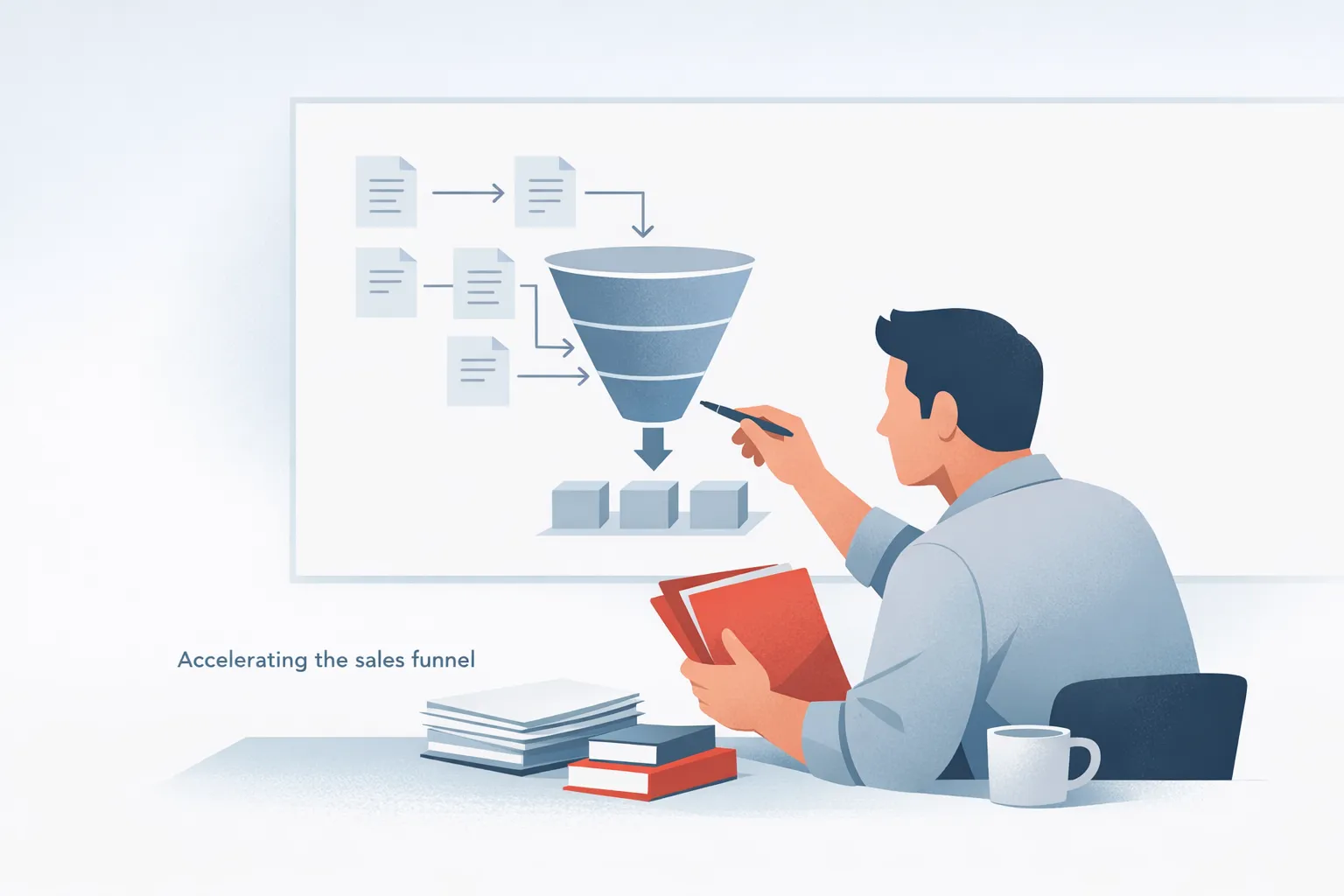
The verification and optimization workflow is a disciplined sequence designed to ensure every major asset launch remains aligned with revenue outcomes and can be tuned quickly when results diverge from expectations. It begins with a pre‑launch validation that confirms pillar and cluster integrity, tagging, and a consistent gating framework. A two‑week post‑launch review focuses on early engagement signals, ensuring that the distribution cadence is resonating and not yet saturated. At four to six weeks, marketers assess CAC, CTR, lead quality, and the progression of MQLs to SQLs, using a unified data view that combines GA4, CRM, and content analytics. This phase guides prioritized optimizations—refining ad copy, landing pages, and gating thresholds, and adjusting the atomization plan to accelerate asset velocity. A quarterly optimization cycle then revisits the pillar topic, cluster topics, and asset mix, expanding successful formats and channels while retiring underperformers. Across all steps, documentation is essential: capture hypotheses, test results, iteration notes, and updated playbooks to avoid repeating mistakes and to accelerate future launches.
What this snapshot is intended to show
The snapshot aligns channel choices with the pillar strategy, detailing cadence, primary KPIs, and the rationale for each channel so teams can make consistent, data‑driven decisions during planning and optimization.
How the snapshot informs channel mix decisions
By laying out cadence, KPI targets, and leading indicators per channel, the snapshot enables scenario analysis. Marketers can test whether increasing owned asset velocity reduces CAC, or whether stronger earned media improves lead quality without sacrificing velocity. It also supports ABM alignment by clearly showing how microsites and field enablement contribute to pipeline, allowing cross‑functional coordination.
How to read the snapshot and identify optimization opportunities
Read across rows to compare cadence, metrics, and gating rules. Identify channels with high reach but low conversions and consider a targeted refresh of creative or landing pages. Look for misalignments between stated goals and observed results, such as a paid campaign generating impressions but few qualified leads, indicating targeting or offer adjustments are needed. Use the snapshot to prioritize tests, budget reallocations, and asset refresh timing, and document the expected impact and timing of each change.
| Channel / Asset Type | Deployment Stage | Cadence (typical) | Primary KPI | Leading Indicators | Gate / Ungate | Rationale for Use |
|---|---|---|---|---|---|---|
| Website / Pillar Hub | All stages | Weekly updates; quarterly pillar refresh | Traffic to lead conversion; MQLs | Time on page; scroll depth; return visits | Ungated by default; gate only for high value templates | Anchors SEO, topic authority, and hub navigation for the entire content system |
| LinkedIn Carousels / Exec Posts | Problem aware to solution aware | Daily to weekly | Engagement rate; reach; pipeline influence | Saves; shares; comments; watch time | Ungated; native formats | Amplifies thought leadership and drives top of funnel engagement with precise targeting |
| Emails (nurtures; launch blasts) | MOFU to BOFU | Weekly; special launches for pillar events | Open rate; click rate; qualified leads | Click depth; time to conversion | Ungated; optimized subject lines | Delivers structured, value‑driven sequences that move buyers through the funnel |
| Paid social / search (pilot campaigns) | TOFU to MOFU testing | 4–6 weeks per pilot | CAC; CTR; conversion rate; demo rate | Impressions; frequency; reach | Gate only for high value assets | Provides fast learning about audience response and creative effectiveness |
| ABM microsites | Tier 1 accounts | A/B tested cadences per account | Account engagement; opportunity velocity | Time on site; page views per account | Ungated; highly personalized assets | Delivers account level relevance and accelerates progression through the funnel |
| Industry communities / partnerships | Ongoing | Weekly to monthly contributions | Engagement; referrals; earned media value | Mentions; cross posts; downloads | Ungated; lightweight gating for assets with high value | Extends reach through trusted ecosystems and co creation |
Credibility: Key Research-backed Claims for 2026 Distribution Playbook
- Pillar/cluster architecture strengthens SEO authority through internal linking and topic depth, supporting scalable distribution across channels. Source
- Atomization, turning one pillar into 10+ channel-native assets, drives velocity across owned, earned, and paid channels while preserving core messaging. Source
- Gate vs ungated content: ungated formats generally deliver broader reach and faster top‑of‑funnel momentum; gates should be reserved for high‑value assets. Source
- ABM microsites for Tier 1 accounts yield stronger account-level engagement and faster progression when paired with field enablement. Source
- Cadence and always-on distribution across owned, earned, and paid channels sustains momentum and requires periodic asset refreshes. Source
- Leading indicators (reach, saves, scroll depth, watch time) plus lagging outcomes (demo rate, SQL, pipeline influence) are essential to gauge impact. Source
- Pillar pages can boost traffic up to 3x and earn 2–4x more backlinks; long-form content tends to rank higher across industries. Source
- LinkedIn drives a dominant share of B2B social leads (approximately 80%), shaping channel prioritization. Source
- A 70/20/10 allocation helps balance proven assets with experimentation to sustain growth while protecting core performance. Source
- A structured 10-day launch sprint can jump-start pillar amplification across multiple channels, creating a repeatable kickoff play. Source
- Pillar content supports a hub-and-spoke model, enabling scalable distribution across formats, audiences, and channels. Source
- Clear gating rules and disciplined UTM tagging are prerequisites for accurate attribution and faster optimization. Source
Foundational References for 2026 Content Distribution Playbook
- Pillar/Cluster architecture and SEO authority: https://content-zen.com
- Atomization to 10+ channel native assets for velocity: https://content-zen.com
- Gate versus ungated strategies balancing reach and conversions: https://content-zen.com
- ABM microsites and field enablement integration: https://content-zen.com
- Cadence design and always-on distribution across channels: https://content-zen.com
- Leading indicators and lagging outcomes for pipeline measurement: https://content-zen.com
- Pillar page impact on traffic and backlinks: https://content-zen.com
- LinkedIn as a dominant B2B lead channel: https://content-zen.com
- 70/20/10 allocation framework for channel bets: https://content-zen.com
- 10-day launch sprint for pillar amplification: https://content-zen.com
- Hub-and-spoke distribution across formats and audiences: https://content-zen.com
- Gate rules and UTM tagging for attribution accuracy: https://content-zen.com
Use these sources as a backbone for validation, not replacement for your data. Treat them as a starting point to benchmark your own results, then corroborate every claim with internal analytics, CRM data, and regional context. When citing these references, cross check against current performance dashboards and adapt gating, cadence, and asset atomization to your ICP, buyer journey, and market conditions. Maintain transparency with stakeholders about what is evidence based and what is inference, and document learnings to improve future iterations of the playbook.
Readers Also Ask Next: Practical Answers About 2026 Distribution Playbook
- How should I start with pillar and cluster content? Begin by selecting a pillar topic with problem to solution relevance, then outline 3–5 clusters that deepen the topic and set a robust internal linking structure to reinforce theme authority.
- What does atomization mean in practice? Atomization means turning a single pillar asset into 10+ channel native deliverables such as carousels, videos, templates, and emails, planned in the outline phase to ensure message coherence.
- When should content be gated vs ungated? Ungated content generally drives wider reach and faster top of funnel momentum; gates should be reserved for assets with obvious high value like benchmarks or ROI calculators.
- How do ABM microsites fit into the playbook? ABM microsites should align with pillar themes, be personalized for Tier 1 accounts, and connect to field enablement and shared KPI dashboards.
- What cadence should I use across channels? Cadence should mix new pillar content with ongoing asset refreshes across owned earned and paid channels, tuned to buyer stages, with checkpoints every 14–30 days.
- What leading vs lagging indicators should I track? Leading indicators include reach saves scroll depth and watch time; lagging outcomes include demo rate SQL and pipeline influence, all feeding a unified attribution view.
- How do I measure pipeline influence beyond MQLs? Measure pipeline influence by linking content touchpoints across MQLs SQLs demos and opportunities using last touch and multi touch signals and keep attribution windows aligned to buyer journeys.
- What governance is needed for a distribution program? Governance should define owners SLAs gating rules tagging and dashboards and include quarterly audits of pillar cluster ties and a central asset catalog.
- What are common pitfalls to avoid in 2026? Pitfalls include channel fatigue poor gating mis aligned cadences weak internal linking governance attribution gaps over reliance on paid channels and mis alignment with ABM microsites.
Putting the Playbook to Work in 2026
This closing section reinforces a repeatable, cross‑channel framework for turning pillar content into a measurable pipeline. Its strength comes from the pillar/cluster architecture, disciplined asset atomization, and a cadence that aligns with buyer journeys. Real success hinges on governance that keeps assets coherent across channels and teams, plus a transparent measurement model that ties activity to pipeline outcomes.
To execute effectively, tailor the framework to your ICP and journey, decide gating where the value is obvious, and deploy ABM microsites for Tier 1 accounts when appropriate. Ensure you have a single source of truth for attribution, with consistent tagging and dashboards that surface both leading indicators and downstream results. The aim is to balance speed with accuracy, and reach with relevance, so every asset move supports revenue as a shared goal.
Adopt a practical rollout mindset: start with a focused pillar topic, map clusters, and plan atomization across 10+ channel native formats. Establish a tight 10‑day launch sprint, then use 14–30 day checkpoints to decide on optimizations. Use the Channel Deployment Snapshot as a planning compass for channel mix and budget decisions, and schedule quarterly reviews to refresh pillar and cluster content so the narrative stays fresh and credible.
Finally, treat the playbook as a living framework. Capture what works, update playbooks, and keep executives and field teams informed. The first milestone is to secure clear ownership for pillar content and a simple governance rhythm; from there, scale with confidence and resilience as 2026 unfolds.