This case study follows a mid market software as a service company’s marketing and content team working with an offshore content partner to measure content quality across outsourced projects. The customer archetype is a SaaS business with eight internal marketers and six outsourced editors supporting mid market B2B buyers. They aimed to quantify quality not just outputs, link content to engagement and pipeline, and curb brand drift across blogs landing pages emails podcasts and videos. What changed and why it mattered they introduced a lightweight quality scorecard standardized briefs formal QA gates and a unified measurement stack across GA4 HubSpot and SEMrush plus regular feedback loops. The impact is a governance model that scales across formats and vendors while improving cross channel attribution credibility and publishing velocity. The Keyword guiding the effort is measuring content quality across outsourced projects with outcomes focused on clearer visibility into value and stronger alignment with business goals without exposing private data.
Snapshot:
- Customer: Mid market SaaS marketing and content team archetype
- Goal: Measure content quality across outsourced projects and tie quality to engagement and pipeline with credible cross channel attribution
- Constraints: Distributed offshore writers and editors with time zone gaps; need for scalable governance and consistent brand voice
- Approach: KPI framework plus lightweight quality scorecard, standardized briefs, QA gates, unified tracking stack, regular reviews
- Proof: Observations from QA reviews, before after asset examples, process KPIs, unified dashboards, stakeholder feedback, and benchmarks from respected guidelines

From Drift to Clarity: The Context and Challenge of Measuring Outsourced Content Quality
The case centers on a mid market SaaS marketing and content team collaborating with an offshore partner to scale production while preserving brand voice and quality. The internal team comprises eight marketers responsible for strategy and editorial direction, paired with six external writers and editors who operate across time zones. Content spans blogs, landing pages, emails, podcasts, and short form videos, all feeding a multi channel program designed to attract and convert mid market B2B buyers. The environment demanded rapid throughput without sacrificing credibility, and a credible measurement system was needed to prove value beyond vanity outputs. Tools in the stack include GA4, HubSpot, SEMrush, and ambitions for a unified dashboard that would align content quality with engagement and pipeline signals. The overarching goal was to establish a scalable governance model that makes quality consistent across formats and vendors while improving cross channel attribution. The keyword guiding the effort is measuring content quality across outsourced projects with a focus on visibility into value and alignment with business goals without exposing private data.
The team faced a tight balance between speed and quality. Offshore contributors introduced variability in tone and adherence to the brand style, while the in house crew juggled competing priorities and deadlines. Briefs were occasionally inconsistent and feedback loops slow, leading to cycles of rework. At stake was not just immediate publish velocity but the longer term credibility of the brand in search and on social channels, the ability to drive qualified traffic into the funnel, and the perception that outsourcing could deliver reliable, measurable returns rather than vague promises.
The strategic importance extended beyond individual assets. A scalable measurement approach would become a shared language across internal stakeholders and external partners, enabling better forecasting, budgeting, and optimization. In short, the project aimed to transform scattered, manual assessments of quality into a repeatable, data driven framework that ties quality to real business outcomes across formats and channels.
The challenge
The core problem was the absence of a unified definition and measurement framework for content quality across outsourced assets. Quality varied from vendor to vendor and format to format, and there was no single source of truth to evaluate it. Without consistent briefs, feedback loops, or a shared scorecard, quality drift occurred, brand voice diverged, and the relationship between content quality and engagement or pipeline remained opaque. Data lived in separate tools making credible cross channel attribution difficult, and the team could not demonstrate how improvements in content quality translated into predictable business results.
What made this harder than it looks:
- Inconsistent interpretation of quality across multiple vendors and formats
- No centralized, standardized criteria to assess quality
- Unstandardized briefs leading to misalignment and lengthy revisions
- Fragmented analytics across GA4 HubSpot SEMrush hindering attribution
- Difficulty linking quality improvements to engagement and pipeline metrics
- Time zone and cultural differences complicating collaboration and feedback cycles
- Need for scalable governance to sustain quality as output grows
Strategy in Action: A KPI First Playbook for Outsourced Content Quality
The team began by grounding every measurement decision in concrete business objectives. They defined a KPI framework that would connect content quality to engagement, pipeline progression, and revenue outcomes, rather than tracking outputs alone. This pivot ensured that every asset created by the outsourced partner could be evaluated against criteria that matter to the business, enabling clearer prioritization and smarter tradeoffs across formats.
Next they introduced a lightweight content quality scorecard paired with standardized briefs. The scorecard captured essential dimensions such as relevance, accuracy, tone alignment, and editorial discipline, while briefs provided consistent expectations. The combination reduced drift between vendors and shortened revision cycles, making publishing velocity sustainable without sacrificing quality.
To make data credible and actionable, they standardized tagging and conversion events across channels and built a unified measurement stack that pulled data from GA4 HubSpot and SEMrush into a single dashboard. This architecture removed data silos, improved cross channel attribution, and gave stakeholders a shared lens on impact rather than isolated metrics from separate tools.
They then piloted the framework with representative assets before scaling governance across formats and languages. The pilot validated the scoring criteria and tracking setup, highlighted gaps early, and provided a repeatable blueprint for expansion. The approach balanced rigor with practicality, enabling ongoing management of outsourced content quality at scale.
Decision tradeoffs table
| Decision | Option chosen | What it solved | Tradeoff |
|---|---|---|---|
| Define KPI framework | KPI framework aligned to CAC LTV and engagement metrics | Links content quality to ROI and pipeline progression | Requires cross functional alignment and data governance across teams |
| Create lightweight quality scorecard | Simple scoring system focused on core quality dimensions | Enables repeatable evaluation and faster feedback | Less granularity may miss nuanced quality signals |
| Standardize briefs and intake | Uniform briefs and templates for all assets | Reduces misalignment and revision cycles | May constrain creative exploration if not periodically refreshed |
| QA gates and feedback loops | Formal gates with structured feedback | Catches issues early preserving brand integrity | Increases process overhead and publish lead times |
| Standardize tracking and UTMs | Consistent tagging across channels | Improves cross channel attribution and comparability | Enforcement required; potential pushback from contributors |
| Unified measurement stack | GA4 plus HubSpot plus SEMrush with a central dashboard | Consolidates data for credible insights and governance | Increases tool complexity and ongoing maintenance |
Implementation: Actionable Steps to Make Content Quality Measurable
The implementation translates the strategy into concrete actions that a distributed outsourced program can follow. It starts with clearly defined objectives and a lightweight yet robust quality framework, then moves through standardized briefs and rigorous but efficient review gates. The goal is to build a repeatable process that scales with output while preserving brand integrity and credible cross channel attribution. Each step emphasizes practical execution over theoretical talk, with checkpoints to confirm progress and guardrails to prevent common missteps.
-
Define Goals and Align
Translate business aims into content objectives that guide every asset. Secure agreement from stakeholders on what success looks like and how quality relates to engagement and pipeline progression. Document these objectives as a living reference that informs decisions across formats.
Checkpoint: Objectives are written down and signed off by the core team.
Common failure: Goals drift because ownership is unclear or updates are not communicated.
-
Create Lightweight Content Quality Scorecard
Identify a small set of core quality dimensions that apply across formats such as relevance accuracy tone alignment and readability. Use simple scoring to enable fast comparisons and consistent judgments. Calibrate the scorecard with a sample of assets to ensure it captures meaningful differences.
Checkpoint: Initial assets have scores recorded using the new scorecard.
Common failure: Scorecard becomes a checkbox exercise without capturing actionable quality signals.
-
Standardize Briefs and Intake
Introduce uniform briefs and intake templates for all asset types to reduce misinterpretation and revisions. Include clear success criteria audience needs and brand alignment requirements. Make briefs easily accessible for all contributors to ensure consistency from the start.
Checkpoint: Briefs are consistently used for new assets and revisions.
Common failure: Briefs vary by writer causing misalignment and back and forth.
-
Establish QA Gates and Feedback Loops
Put in place review points that catch issues early before publication. Structure feedback to be specific actionable and aligned with the scorecard criteria. Capture lessons from each round to inform future work and reduce repetition of the same issues.
Checkpoint: Assets pass through gates with documented feedback and minimal rework.
Common failure: Feedback is vague or inconsistent slowing publish velocity.
-
Standardize Tracking and Centralize Data
Agree on tagging conventions and conversion event definitions so data can be compared across channels. Build a central view that aggregates signals from multiple sources into a single narrative. Ensure the centralized data remains accessible to both in house and outsourced teams to foster accountability.
Checkpoint: Data flows into a single view with minimal gaps or conflicts.
Common failure: Data stays siloed in separate tools making attribution unreliable.
-
Pilot Before Scaling
Test the framework with a representative mix of asset types to validate the scoring and data flow. Use the pilot to surface gaps in briefs governance or tooling and iterate quickly. Document adjustments so the lessons apply to broader rollout.
Checkpoint: Pilot results inform concrete refinements to the process.
Common failure: Scaling proceeds before the pilot reveals essential improvements.
-
Knowledge Transfer and Playbooks
Capture workflows decision criteria and examples in concise playbooks. Make these resources available to current and future partners to shorten ramp times and preserve consistency. Schedule periodic refreshes to keep materials aligned with evolving guidelines.
Checkpoint: Playbooks are published and updated based on feedback.
Common failure: Critical know how remains in individuals heads rather than shared documentation.
Results Driven Proof: Credible Outcomes From Measuring Outsourced Content Quality
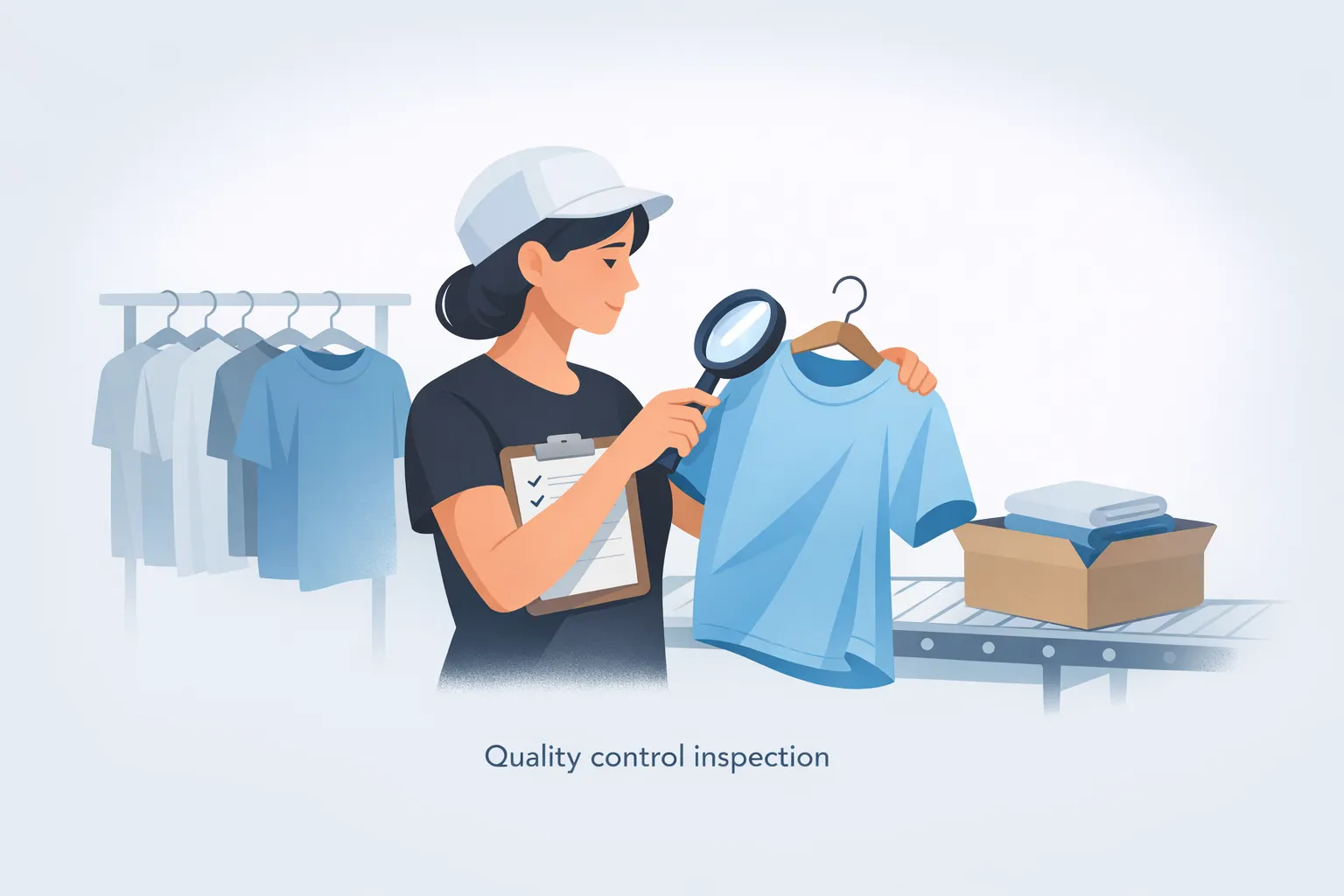
The implemented approach yielded tangible shifts in how outsourced content performed within a multi channel program. By tying quality to business objectives through a KPI framework and enforcing consistent briefs and QA gates, the team moved from ad hoc assessments to a governance model that scales with output. Stakeholders reported clearer expectations and a shared language for evaluating assets across blogs landing pages emails podcasts and videos. The evidence came from structured reviews documented in playbooks and the centralized view that began to align signal across GA4 HubSpot and SEMrush, helping translate quality improvements into credible engagement and pipeline indicators without exposing private data.
As governance matured the program saw stronger brand consistency more reliable attribution across channels and faster publishing cycles. The quality framework acted as a practical translator between offshore partners and internal teams making collaboration smoother and more predictable. The results were not just about cleaner metrics but about a repeatable process that can be extended to new formats and markets while maintaining trust with stakeholders and protecting brand integrity.
| Area | Before | After | How it was evidenced |
|---|---|---|---|
| Brand governance and tone alignment | Drift across vendors and formats | Consistent brand voice across assets and partners | QA reviews and asset scorecard results showing alignment improvements |
| Cross channel attribution credibility | Attribution gaps across channels | Unified measurement stack enabling credible attribution | Central dashboard integrating GA4 HubSpot SEMrush data |
| Publishing velocity and cycle times | Lengthy revisions and ad hoc feedback | Faster publish cycles with standardized briefs and gates | Observations of revision counts and publish cadence after process changes |
| Data governance and centralization | Data silos across tools | Centralized data view accessible to internal and external teams | Evidence from data flows into a single narrative in the dashboard |
| ROI linkage and business outcomes | Content quality not clearly tied to engagement or pipeline | Clear linkage from quality signals to engagement and pipeline indicators | Observations of engagement signals and early pipeline indicators aligned to quality improvements |
| Process standards adoption | No standardized briefs or scorecards | Briefs scorecards used widely across assets | Documented use of briefs and scorecards in asset intake and reviews |
| Stakeholder alignment | Ad hoc governance and feedback | Structured governance with regular reviews | Stakeholder feedback and governance artifacts showing improved alignment |
Practical Playbook for Making Outsourced Content Quality Actionable
The playbook distills the proven moves from the case study into concrete steps that a distributed outsourced program can adopt without overhauling its entire stack. Start with a KPI driven anchor that ties quality to engagement and pipeline progression, then lock in a lightweight scorecard and standardized briefs to reduce drift. A formal but efficient QA process turns quick feedback into consistent outputs, and a centralized data view ensures cross channel attribution remains credible as work scales across formats.
The approach favors clarity over complexity. It emphasizes a repeatable sequence that works with existing tools like GA4, HubSpot, and SEMrush while enabling knowledge transfer to new partners or formats. By piloting first and then expanding governance, teams can demonstrate value while preserving brand integrity and publishing velocity. The emphasis is on practical execution that yields verifiable, transferable improvements rather than theoretical gains.
What follows is a concise, action ready checklist designed to help teams replicate the gains of the case study in varied outsourcing scenarios, formats, and markets while maintaining strict standards for data governance and privacy.
If you want to replicate this, use this checklist:
- Define business objectives and map them to content objectives to anchor quality decisions
- Establish a KPI framework that connects content quality to engagement and pipeline indicators
- Create a lightweight content quality scorecard capturing core dimensions across formats
- Standardize briefs and intake templates for all asset types to reduce misinterpretation
- Implement formal QA gates with structured feedback to catch issues early
- Standardize tagging conventions and define uniform conversion events across channels
- Build a centralized measurement view that aggregates data from GA4 HubSpot and SEMrush
- Run a pilot with a representative mix of assets to validate scoring and data flow
- Scale governance across formats languages and partners while preserving quality
- Document processes in concise playbooks and establish a regime for regular updates
- Onboard outsourced partners with clear expectations dashboards and access to insights
- Schedule periodic performance reviews to keep alignment and accountability
- Maintain brand style guidelines editorial process and tone across suppliers
- Embed data governance privacy and security considerations in every step
Practical Answers for Outsourced Content Quality Measurement
How do you define content quality across outsourced projects?
Content quality in outsourced projects is defined by how well the asset solves a user problem while reflecting the brand's voice, accuracy, and usefulness. It combines editorial discipline with credibility signals such as originality, proper sourcing, and adherence to the brand style guide. In practice we measure quality across formats using a lightweight scorecard that covers relevance accuracy tone readability and alignment with the customer journey, then map those scores to engagement and pipeline outcomes through standardized tagging and analytics.
What KPI framework best ties content quality to business outcomes?
At a practical level the KPI framework ties content quality to engagement and pipeline milestones while anchoring to broader business metrics. Begin with signals such as time on page scroll depth and engagement events to gauge quality, then add conversions like signups or inquiries to capture outcomes. Crucially the framework includes cross channel attribution so data from GA4 HubSpot and SEMrush feed a single view. This enables teams to observe how improvements in quality relate to CAC LTV and progression along the funnel over time.
Why standardized briefs and a quality scorecard are important for outsourced content?
Standardized briefs and a quality scorecard are essential to reduce drift and speed up revisions when working with outsourced creators. Brief templates set expectations for audience tone and requirements while the scorecard provides a repeatable numeric lens on quality across formats. Together they create a common language for feedback and a defendable basis for asset ranking. The result is more predictable publishing velocity without sacrificing brand integrity.
How should QA gates be structured to maintain speed and quality?
QA gates are placed at key milestones where a piece transitions from draft to publish ready. Each gate specifies concrete criteria aligned to the scorecard and briefs, and feedback is concise and actionable. Gate owners ensure issues are resolved before moving forward yet the process remains lightweight to avoid bottlenecks. The approach preserves brand consistency while enabling faster iteration across offshore teams.
How do you centralize data for cross channel attribution?
Centralizing data requires a unified measurement stack and consistent tagging across channels. Start with standardized UTM parameters and uniform conversion events, then aggregate signals from GA4 HubSpot and SEMrush into a single accessible dashboard. This centralized view enables credible cross channel attribution across blogs landing pages emails podcasts and videos and makes it possible to observe how improvements in content quality move engagement and pipeline milestones over time.
What is the role of a pilot in scaling governance?
A pilot acts as a low risk test to validate scoring criteria data flows and governance mechanics before wider rollout. It helps surface gaps in briefs processes or tooling and provides concrete examples to refine the playbooks. The insights from the pilot guide adjustments and establish a repeatable blueprint that scales across formats languages and partners while preserving quality.
How can you onboard offshore partners effectively?
Effective onboarding sets expectations from day one. Provide clear briefs aligned to the quality scorecard introduce access to the centralized dashboard and share the governance playbooks. Schedule initial training sessions and establish regular cadence for feedback and reviews. Document decision criteria and create a transparent channel for questions. The goal is to accelerate ramp time while maintaining consistent brand voice and measurement standards across all outsourced contributors.
What are common pitfalls when measuring outsourced content quality?
Common pitfalls include drift in quality due to unclear goals inconsistent briefs and vague feedback data fragmentation that undermines attribution and an overemphasis on vanity metrics at the expense of business outcomes. Another risk is heavy process overhead that slows publishing while sacrificing agility. A successful approach avoids these by keeping objectives crisp maintaining active governance, and ensuring the measurement stack is accessible and maintained across partners.
What Comes Next: Turning Measurement Into a Repeatable Practice
In this study the key to scalable outsourced content quality was binding quality to business outcomes through a KPI framework and a lightweight scorecard, paired with standardized briefs and QA gates. A centralized data view makes cross channel attribution credible and decision making more predictable, supporting faster publishing while preserving brand voice across formats.
As governance matures, teams can extend the framework to additional formats or markets while keeping a tight feedback loop. Pilots validate assumptions before broader rollout and regular performance reviews maintain alignment. The emphasis remains on actionable signals that drive engagement and pipeline rather than vanity metrics.
Practitioners can adapt this blueprint to their own outsourcing arrangements by starting small, documenting decisions, and iterating based on what the data reveals about quality and outcomes. The goal is a repeatable, data guided process that yields credible results without exposing private data.
Next steps for readers: begin by clarifying objectives and mapping them to content goals, then implement the scorecard and a unified tracking plan. Run a concise pilot, capture learnings, and codify them into a playbook that can be handed to current and future partners.