To design content that effectively answers AI follow up questions you will start by clarifying the core question and intent, then craft a quotable opening that gives a single, shareable answer. You will structure the guide as explicit Q and A with clearly labeled questions, and you will front load verifiable data and citations at the start of each section so models can anchor responses. You will normalize entity names, apply approved schema for FAQPage and HowTo, and ensure the content is easily extractable with short paragraphs and bullet lists. You will test the material with AI previews, adjust based on what AI prompts surface, and set a regular cadence for updates to keep facts fresh. The simplest path is to produce a compact, accurate answer first, then expand with data, sources, and practical steps that readers and AI can quote directly.
This is for you if:
- Content strategists and SEO writers building AI-ready content
- Product marketers designing materials for AI follow-ups and prompts
- AI teams structuring knowledge bases that AI can cite in responses
- Editors ensuring factual data sources and verifiable citations
- UX writers implementing schema markup and extractable content techniques
- Content managers planning governance and regular refresh cycles for AI readiness
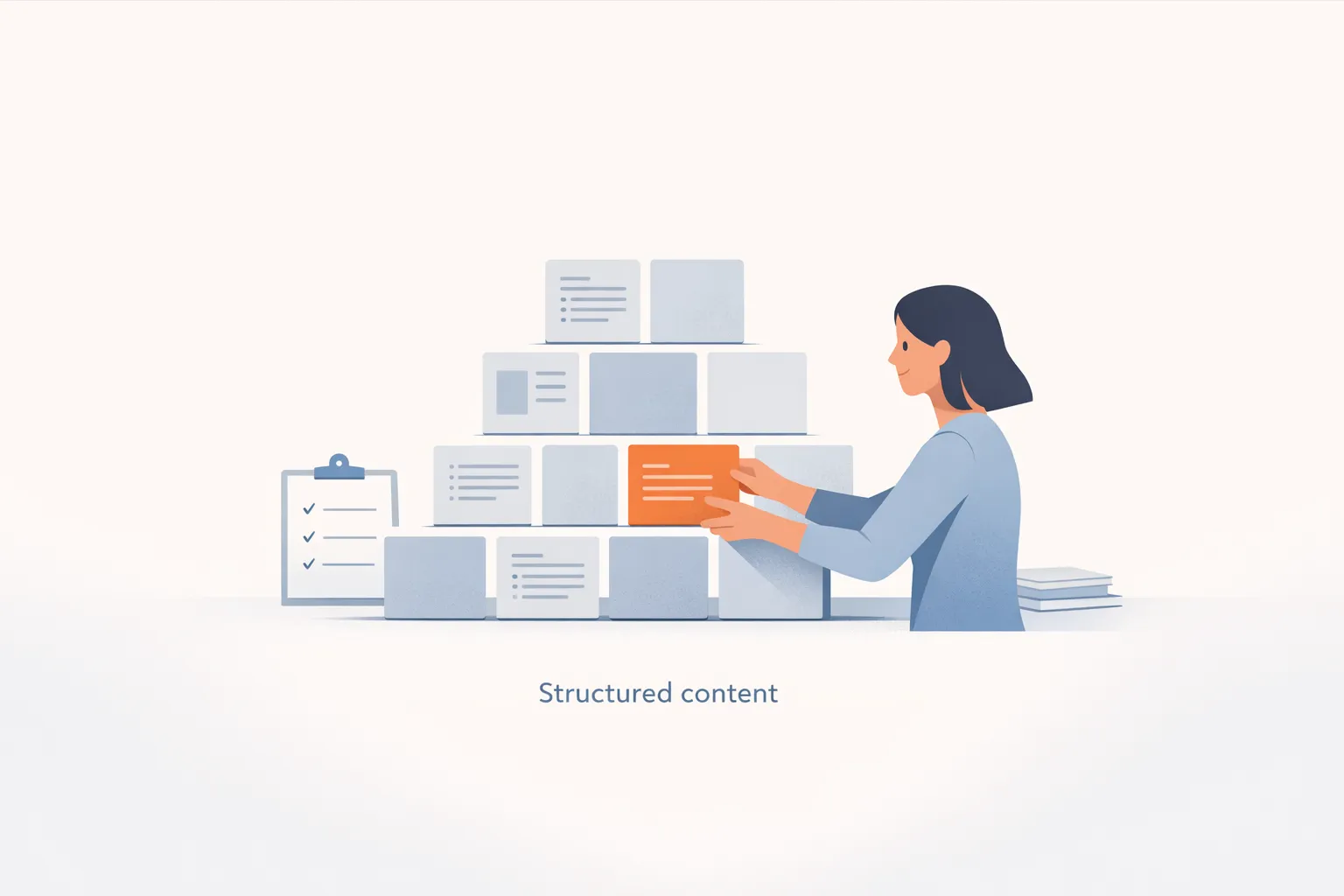
Prerequisites for designing content that supports AI follow-up questions
Prerequisites matter because they set expectations, ensure accuracy, and enable AI to cite your work reliably. By aligning data sources, branding, and structure before writing, you create content that AI can confidently reference in follow-up questions. Establishing a clear intent, a reusable prompt library, and validation workflows upfront reduces revisions, speeds publication, and improves trust in AI-driven answers.
Before you start, make sure you have:
- Clear objective and target audience
- Access to credible data sources and citations
- A content management system with structured data capabilities
- A defined set of follow-up prompts or questions
- Brand voice guidelines and accessibility standards
- Consistent entity naming and a plan for sameAs linking
- Tools to preview AI extraction and validate responses
- Editorial governance for updates and accuracy
- A metrics plan to track AI citation and engagement
- A process to create and maintain an example library of prompts
- A governance process for publishing and updates
- A plan for cross-linking to related content
Design actionable steps to prepare content for AI follow up questions
Designing content to support AI follow up questions requires clear intent, a strong quotable opening, and a structure that AI can easily extract and cite. In this procedure you will identify the audience need, define a precise core question, and lay the groundwork for reliable follow ups by front loading verifiable data and linking to credible sources. You will implement schema markup and consistent entity naming to improve AI surface, then validate the content with AI previews and refine through iteration. The result is content that AI can quote directly while remaining trustworthy and readable for human readers.
-
Clarify Intent and Core Question
Identify the user goal and map it to the primary question the content will answer. Define success criteria and outline the exact audience you are addressing. Produce a concise problem statement to guide every section.
How to verify: The core question is specific, audience defined, and the success criteria are measurable.
Common fail: Vague goals that lead to broad, unfocused content.
-
Draft a Quotable Opening
Write a tight opening that states the core answer in a quotable line. Pair the line with a brief setup that signals what follows and why it matters. Keep the tone practical and confidence-inspiring.
How to verify: The opening is easily quoted and summarizes the main takeaway.
Common fail: An opening that drifts into storytelling without delivering a clear answer.
-
Build Explicit Q and A Structure
Create sections headed by real questions that reflect likely AI follow ups. Present each answer as a concise statement followed by supporting details. Ensure each Q feels natural to both humans and machines.
How to verify: Each question directly maps to a distinct information need and is easy to scan.
Common fail: Vague headings that don’t indicate the problem being solved.
-
Front-Load Verifiable Data at Section Starts
Begin each section with a data point, fact, or citation that anchors the discussion. Place evidence before interpretation to aid AI summarization and trust.
How to verify: Data points are clearly visible at the start of each section and linked to credible sources.
Common fail: Important facts buried later or stated without attribution.
-
Normalize Entity Names and Plan Links
Use canonical names consistently throughout the content and map related terms to the same entities. Plan internal and external links to reinforce navigational context and credibility.
How to verify: Entity naming is uniform across sections and linked items appear in a logical structure.
Common fail: Inconsistent naming causing confusion for readers and AI.
-
Apply Schema Markup and Entity Connections
Implement appropriate schema types to help AI understand relationships between questions, answers, and sources. Connect entities with consistent signals to strengthen AI anchor points.
How to verify: Schema exists and entities are correctly linked in the page metadata.
Common fail: Missing or mis configured schema reducing AI visibility.
-
Write for Extraction and Readability
Use short paragraphs, clear bullets, and scannable headings to improve AI extraction and human reading experience. Maintain a practical, instructional tone throughout.
How to verify: The content is easy to skim and key points are extractable by models.
Common fail: Dense prose that hinders quick understanding or AI summarization.
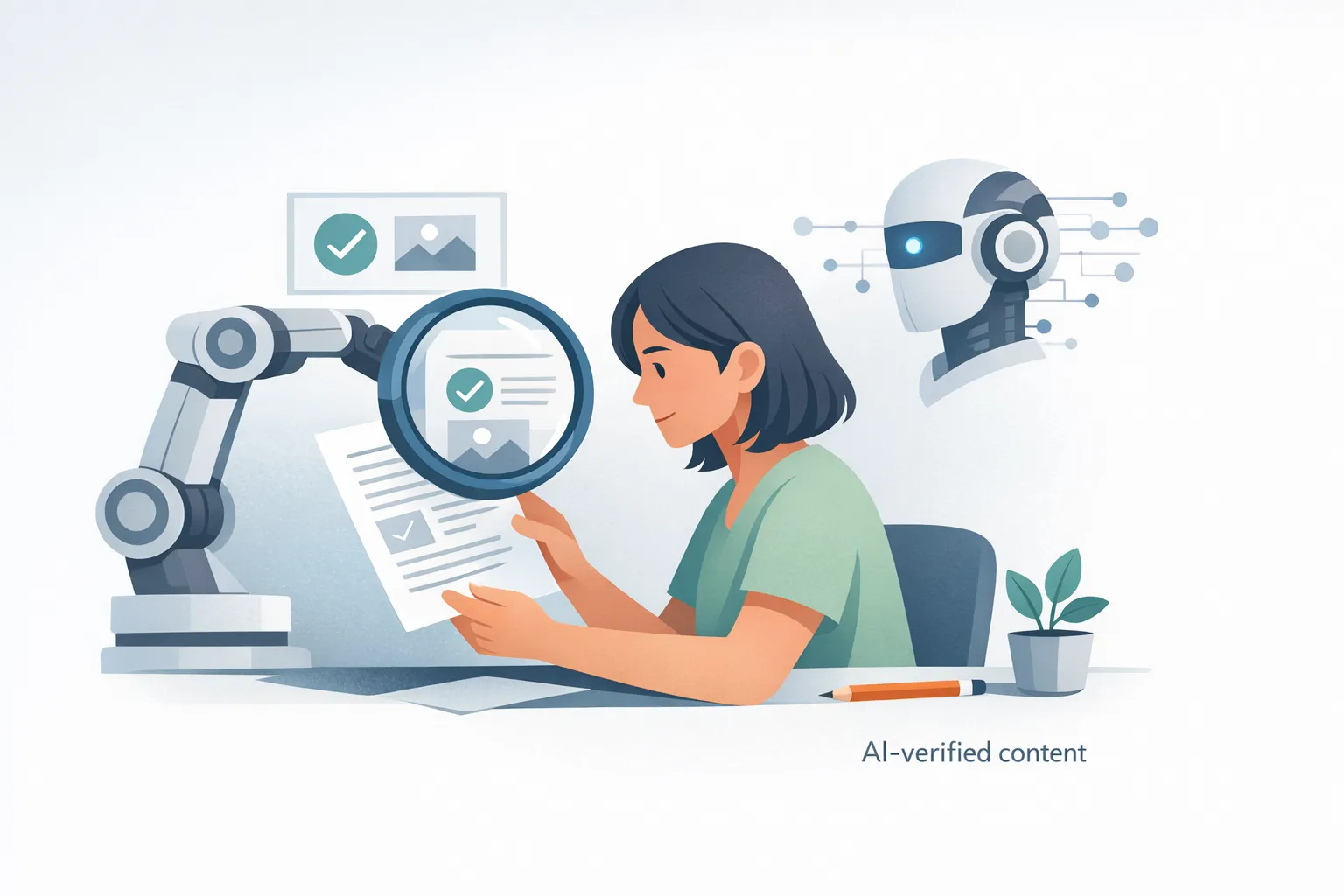
Verification: confirm AI follow up content readiness
Verification confirms your content is ready to support AI follow up questions and human readers alike. You will verify that the opening delivers a direct, quotable takeaway, that each section targets a real user question, and that verifiable data appears at the start of sections. You will check for consistent entity naming, proper schema markup, accessible formatting, and effective AI previews. Regular audits and documented results ensure ongoing accuracy and timely updates, providing a reliable foundation for AI citing and long tail queries.
- Confirm the opening presents a quotable direct takeaway
- Ensure every section maps to a specific user question
- Verify verifiable data appears at the start of sections
- Check for consistent entity naming across the content
- Validate that appropriate schema markup is implemented
- Test AI previews to ensure content is extractable by AI
- Assess readability and accessibility across devices
- Review internal and external linking for navigational context
| Checkpoint | What good looks like | How to test | If it fails, try |
|---|---|---|---|
| Core question alignment | The core question is clearly defined and mapped to user needs | Review intent statements and success criteria against audience tasks | Revisit the problem statement and adjust objectives |
| Opening quotable | The opening is concise and quotable, summarizing takeaways | Copy the opening and test if it can be quoted in AI responses | Rewrite to highlight the single strongest takeaway |
| Q&A structure | Each section uses a real question and a direct answer with follow-ups | Scan the table of contents to see if questions cover common follow-ups | Add missing questions and rephrase headings |
| Front-loaded data | Each section begins with a verifiable data point or citation | Check for data at start of sections and verify source links | Insert data points and attach credible sources |
| Schema markup | FAQPage HowTo Article schema is present and coherent with content | Run a structured data validator and entity linking checks | Repair markup and re-link entities |
| Accessibility and readability | Content is readable with short paragraphs and bullet lists; headings are accessible | Run a basic accessibility check and readability scoring | Shorten paragraphs and add alt text where needed |
Troubleshooting for AI follow up content readiness
When content fails to support AI follow up questions you need to diagnose quickly and fix targeted issues. This troubleshooting guide helps you identify common symptoms such as weak openings buried data or inconsistent terminology and provides concrete, actionable steps to restore extractability and AI citation readiness. By applying these fixes you improve trust readability and the likelihood that AI and human readers can reference your content with confidence.
-
Symptom:
AI previews cannot extract a key answer
Why it happens: The opening does not present a quotable takeaway or data is buried later
Fix: Move a concise quotable answer to the opening and place a verifiable data point at the start of the relevant section to anchor the discussion
-
Symptom:
Data points are missing or unverifiable
Why it happens: Citations are incomplete or absent
Fix: Add verifiable data points and credible sources near section starts to establish credibility
-
Symptom:
Headings are not question driven
Why it happens: Headings are generic statements that do not reveal the problem addressed
Fix: Rewrite headings as explicit questions that reflect common follow up needs
-
Symptom:
Entity naming is inconsistent
Why it happens: Different terms refer to the same concept, causing confusion
Fix: Use canonical naming and apply consistent terminology across sections
-
Symptom:
Schema markup is missing or misconfigured
Why it happens: The page lacks correct structured data or uses the wrong types
Fix: Implement correct FAQPage and HowTo markup and validate with a trusted tool
-
Symptom:
Accessibility or readability issues
Why it happens: Dense paragraphs and minimal structure hinder scanning
Fix: Break content into short paragraphs, use bullets and clear headings to aid reading and scanning
-
Symptom:
Too many prompts or irrelevant prompts shown
Why it happens: UI overload dilutes value and distracts users
Fix: Trim prompts to high value ones and apply progressive disclosure based on user context
-
Symptom:
Content not maintained or updated regularly
Why it happens: No governance or update cadence
Fix: Establish a monthly review cycle with owners and documented update processes
What readers should ask next about designing AI follow-up content
- How do I ensure the opening includes a quotable takeaway? Start with a concise, direct sentence that states the core value and can be quoted by AI responses. Keep it to one sentence and free of hedging language.
- What is the best way to front-load verifiable data in each section? Place a verifiable data point or citation at the start of each section to anchor the discussion. Ensure the data is relevant, up-to-date, and sourced from credible references.
- How should I structure content to be AI extractable? Use explicit Q A headings, short paragraphs, and bullets; maintain natural language and avoid jargon. Add schema markup and consistent entity naming to help AI understand relationships.
- How can I test AI previews before publishing? Run AI previews or simulate common prompts to verify that key answers appear in extractable form. Adjust structure if critical sentences disappear or are buried in prose.
- What are common pitfalls to avoid when designing AI follow-up content? Avoid vague questions, buried data, inconsistent terminology, missing schema, and overly long paragraphs. Keep prompts high value and aligned to user goals.
- How often should I update the AI-focused content? Establish a regular review cadence aligned with product changes and data updates. Schedule updates and track changes to maintain accuracy.
- How do I address objections and warnings in AI content? Include direct answers to common objections like pricing or timelines and explain limitations honestly. Ensure the language remains clear and non-defensive.
- How can I ensure accessibility and readability? Write with concise sentences, short paragraphs, and clear headings; ensure color contrast and mobile readability. Include accessible alt text and consider screen reader navigation.
Common questions readers ask next about designing AI follow-up content
How do I ensure the opening includes a quotable takeaway?
Begin with a concise direct sentence that states the core value and can be quoted by AI responses. Avoid hedging language, and frame the takeaway as a single, memorable claim. The surrounding context should support that claim without diluting it, so readers and AI systems know precisely what to repeat. Maintain practical tone and ensure the sentence remains portable for use in summaries or prompts.
How should I front-load verifiable data in each section?
Place a verifiable data point or citation at the start of each section to anchor the discussion. Choose data that directly supports the specific claim or problem addressed and ensure it is credible, up-to-date, and easy to verify. Avoid burying evidence in paragraphs or relying on vague statements, since AI readers rely on quick anchors for citation and trust.
How can I structure content to be AI extractable?
Use explicit Q and A structure with the question as a heading, followed by a concise answer and supporting details. Keep paragraphs short, favor bullet lists for scannability, and write in natural language free of jargon. Include schema markup and maintain consistent entity naming to help AI map relationships and surface the most relevant parts in responses.
What is the role of schema markup in this content?
Schema markup helps AI interpret structure and relationships between questions, answers, and sources. Implement FAQPage and HowTo types where appropriate and ensure the markup aligns with the visible content. Validate the markup with a trusted preview tool and keep entity signals consistent across pages to improve surface in AI summaries.
How do I test AI previews before publishing?
Run AI previews or simulate common prompts to confirm that key sentences appear clearly and are extractable. Check that the quotable opening and the first data points are visible in previews, and adjust ordering if needed so AI can quote the main takeaway without scanning the entire page. Iterate until previews consistently surface the intended answers.
How should updates and governance be handled?
Establish a cadence for reviews, assign owners for sections, and document update procedures. Track changes, verify data, and refresh citations when sources are updated. Maintain version control and communicate edits to stakeholders to ensure the content remains accurate and trustworthy for AI and human readers.
How can I keep entity naming consistent across sections?
Create a canonical terminology guide listing every entity and its preferred name. Enforce this guide during writing, and use consistent capitalization and spelling across all sections. Link related terms to the same entity where possible to reinforce semantic connections for AI and improve navigational integrity for readers.
How can I balance human readability with AI oriented signals?
Write in a natural, practical tone while structuring content for extraction. Use short sentences, clear headings, and concise paragraphs, supplemented by bullets. Ensure the language remains accessible and free of jargon so humans can read easily, while AI engines can reliably parse and cite key points for summaries and follow-up prompts.