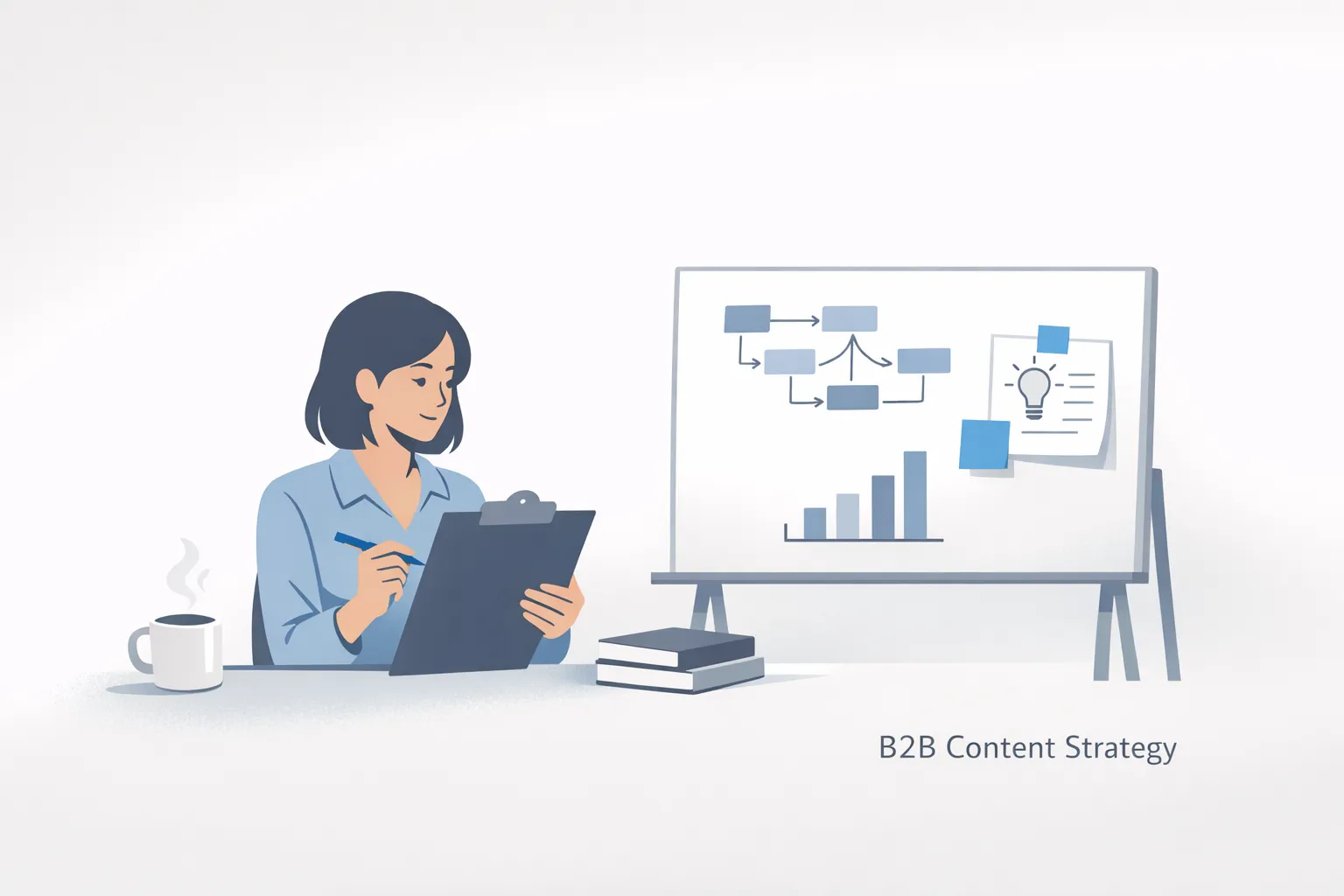
To write website content that compels and converts, start with a people first approach: define an audience persona, set clear goals, and plan an outline before drafting. Craft attention grabbing headlines and a compelling intro, then organize for skim reading with short paragraphs, clear transitions, subheads, bullets, and whitespace. Build in on page SEO naturally with keyword usage in the title, intro, and headings, plus sensible links and descriptive alt text without sacrificing readability. Use a pre publish quality check and ensure mobile friendly design and accessible visuals, then publish and monitor performance, iterating based on analytics. This approach aligns with established sequences that emphasize audience insight, outline driven drafting, and a balance of usefulness, trust, and conversions through clear CTAs. Next, readers should create personas, craft a working title and outline, draft with a strong hook, apply SEO and accessibility checks, and finalize with testing and publishing.
Audience and Goal Validation Before Writing
Begin by clarifying who you are writing for and what you want them to do. Build a detailed audience persona, with clear goals tied to the buyer journey, and plan content types that address those needs. This groundwork helps every page, article, or product description feel relevant and actionable. The approach centers on delivering real value to readers rather than chasing impressions alone. This emphasis on reader-first content aligns with established research principles for audience insight and goal clarity.
Validate the intended outcome of each piece: inform, persuade, or convert, and map the content to a specific stage in the user journey. Keeping the audience at the forefront reduces wasted effort and improves engagement. When teams collaborate from the start, content stays aligned with brand voice and reader expectations.
Headline and Hook Strategy for Website Content
Create headlines that grab attention with action, questions, intrigue, or numbers, and pair them with a hook that promises a clear solution. A strong introduction should quickly state the reader’s problem and hint at the benefit they’ll receive. Descriptive subheads and brief opening lines help readers decide where to invest time. This section draws on headline and intro frameworks that guide readers from curiosity to engagement.
The strategy also supports a smooth transition into the body, keeping readers focused on the value you provide. This alignment with buyer intent and reader needs is a core part of the research-backed approach to effective website content.
Structure for Readability, Skimmability, and Mobile
Organize content to be easily scannable: short paragraphs, clear transitions, concise sentences, and descriptive headings. Use bullets and numbered lists to break complex ideas into digestible steps, and incorporate whitespace to reduce cognitive load. Design for mobile readers with responsive layouts and legible typography so that the main message remains clear on small screens. This structure supports both skim reading and deeper reading, helping readers quickly locate the core value and actions.
Balancing depth with brevity is essential; readers often prefer content that is easy to digest yet substantial when they choose to dive in. The result is a page that serves both casual skimmers and detail-focused readers, increasing overall engagement.
Develop a Comprehensive Content Outline Before Drafting
Prepare a detailed content outline that serves as a blueprint for drafting. Include a working title, a clear set of H2/H3 headings, key data or examples, and a defined call to action. This upfront planning reduces rewrites and keeps the writing focused on reader value. The outline acts as a contract among stakeholders, ensuring alignment on purpose, structure, and next steps.
To guide the drafting process, follow a step-by-step sequence that moves from topic framing to specific section design, data integration, and CTA placement. The outline should anticipate reader questions and map solutions to each section, creating a cohesive journey from introduction to action. This approach mirrors the research-driven emphasis on audience insights, structured drafting, and purposeful content architecture.
- Define a working title that reflects topic and audience intent.
- List the primary H2/H3 headings that answer reader questions and mirror user journeys.
- Identify key data, examples, or anecdotes to support each heading.
- Draft a preliminary CTA for the end of each major section.
- Review the outline with stakeholders and adjust for clarity and flow.
SEO and Linking Framework
Embed on-page SEO basics naturally: place the main keyword in the title, in a prominent early position, and within at least one subheading, while maintaining readability. Sprinkle related terms and semantic variants throughout copy and ensure image alt text describes visuals accurately. Build credibility with a well-considered mix of internal and external links that guide readers and strengthen topical authority. Maintain a balance where SEO supports reader value rather than driving content without purpose. This framework aligns with the research emphasis on authentic, readable optimization and thoughtful linking strategy.
Carefully weave links so they feel like natural references rather than forced insertions. When you reference credible sources, provide transparent context so readers understand the source’s role in supporting the claim. The goal is to improve search visibility while preserving trust and readability.
Drafting, Editing, and AI-Assisted Refinement
Draft with a strong hook, then develop a readable, logically flowing narrative. Break information into scannable chunks, use descriptive subheads, and populate sections with concrete examples and actionable steps. After drafting, edit for clarity, cohesion, and tone; run grammar and style checks, and verify factual accuracy with human review. AI can assist to speed workflow, but the human voice and judgment should remain central. Disclose any AI or automation use when applicable to preserve transparency and trust.
Throughout the process, test for readability across devices and gather feedback from teammates or a sample audience. Iterative refinement—driven by feedback and analytics—helps ensure content remains useful, trustworthy, and aligned with reader needs.
Table: Content Mapping Table
This compact table illustrates how content elements map to reader value and site structure, clarifying how topics align with audience needs and navigation goals.
| Content Element | Purpose | How It Supports Readers |
|---|---|---|
| Working Title | Frame topic and intent | Immediate clarity on topic, guiding expectations |
| H2/H3 Headings | Structure and skimmability | Enables quick scanning and targeted reading paths |
| Key Data/Examples | Support claims with evidence | Increases credibility and practical value |
| CTA | Guide reader to next action | Turns engagement into measurable outcomes |
Troubleshooting Common Issues
Audience misalignment
Symptom: Content drifts away from reader needs or buyer personas. Fix: Revisit personas, revalidate goals, and adjust topics to address the core problems and questions your audience faces.
Dense text and poor readability
Symptom: Long blocks of text slow comprehension. Fix: Break into short paragraphs, add subheads, and use bullets or numbered steps to break information into digestible pieces.
Weak or generic headlines
Symptom: Visitors skip content due to unremarkable titles. Fix: Craft headlines with action, intrigue, questions, or numbers and test slight variations for impact.
Missing CTAs or vague next steps
Symptom: Readers complete an article but do not take action. Fix: Place clear CTAs at natural stopping points and align each CTA with reader intent and the section's value.
SEO at the expense of readability
Symptom: Keyword stuffing or awkward phrasing hurts reader experience. Fix: Prioritize natural language, integrate keywords where it feels organic, and verify flow with readability checks.
Inconsistent voice or tone
Symptom: Content reads as if written by multiple authors. Fix: Establish a clear brand voice and apply it consistently across pages; use editorial guidelines and reviews.
Poor linking strategy
Symptom: Missing internal paths or irrelevant external references. Fix: Map content to related pages and credible sources to boost navigation and authority.
Final Checklist for Publication
- Audience alignment: confirm Persona relevance and reader goals.
- Outline validation: ensure structure covers reader questions and journey.
- Headlines and hooks: verify compelling titles and strong opening lines.
- Skimmability: check paragraph length, subheads, bullets, and whitespace.
- Mobile readiness: confirm responsive design and legible typography.
- On-page SEO basics: title tag, meta description, header structure, and alt text.
- Internal and external links: verify relevance and accessibility.
- CTAs in place: confirm next steps align with section value.
- Visuals and accessibility: ensure images have alt text and visuals support comprehension.
- Pre-publish quality control: run grammar/consistency checks and final read-through.
- Publish and monitor: track analytics, user feedback, and iterate as needed.
FAQ
What defines high‑quality website content for SEO and conversions?
High‑quality content centers on helping people with real value, depth, and trust signals; it should be useful, thorough, and credible rather than optimized only for search rankings. Google emphasizes these people‑first attributes and trust signals in its guidance.
How do I build accurate audience personas for my content?
Develop detailed profiles that capture goals, challenges, and content preferences, then use them to tailor messaging and structure throughout the site.
What should I look for when hiring website content writers?
Seek writers with relevant marketing, journalism, or industry experience, and aim for a diverse team with strengths across strategy, editing, and UX-friendly copy.
How often should I run content audits, and what tools help?
Schedule regular audits to assess quality, relevance, and SEO performance, using tooling to surface gaps and opportunities and to guide revisions.
How do I ensure content is relevant to my target audience?
Maintain alignment with personas, address audience pain points with problem–solution storytelling, and implement feedback loops to refine topics and formats.
How can I balance SEO with engaging, readable content?
Weave keywords naturally into a human-centered narrative, avoid stuffing, and prioritize readability, clarity, and usefulness over keyword density.
What are effective ways to format website content for readability?
Use short paragraphs, descriptive headings, bullet lists, and whitespace to support rapid comprehension and easier navigation.
What is a call-to-action and how should I use it?
CTAs guide readers toward a concrete next step; place them at logical points where readers have gained enough value to act.
How do I apply the inverted pyramid method?
Lead with the most important information, followed by supporting details and context, to enable quick decision-making and deeper reading as needed.
How often should I update website content?
Regular updates should reflect brand voice, reader needs, and evolving information, coordinated with audits and performance data.
Key Evidence for Effective Website Content: Research Highlights
- Google emphasizes E-E-A-T signals (Experience, Expertise, Authoritativeness, Trustworthiness) as ranking signals.
- Content should be people-first rather than SEO-first to build trust and align with user intent.
- For product reviews, disclose how testing was conducted and what evidence supports results.
- AI or automation disclosures are useful when automation or AI-generation is used.
- Bylines and clear authorship help readers assess who created the content and its background.
- Trust is the most important aspect of E-E-A-T.
- Pre-publishing quality control checklists are recommended to validate SEO, links, visuals, and formatting. Source
- High-quality, relevant, and readable website content is essential for engaging visitors and supporting conversions. Source
- Landing pages benefit from concise copy that answers user questions quickly. Source
- Regular content audits help identify gaps and improve overall content performance and SEO. Source
- AI tools can speed workflow but should be used as an assistant with human oversight.
- The inverted pyramid method helps readers decide quickly by leading with the most important information first. Source
- Content should include meaningful internal and external links to guide navigation and build credibility.

FAQ: Practical Guidelines for People-First Website Content
What defines high-quality website content for SEO and conversions?
High-quality website content prioritizes helping real readers with clear, useful information. It combines depth with readability, offers evidence or credible experience, and communicates trust through accurate claims and transparent author attribution. The content should answer user questions concisely, support main claims with relevant data, and avoid keyword stuffing by integrating terms naturally into a narrative that respects the reader's intent. This people-first perspective aligns with Google's guidance on helpful, reliable content and emphasizes trust as a core component of content quality.
How do I build accurate audience personas for my content?
Develop detailed audience personas by outlining goals, challenges, demographic traits, and content preferences. Use a representative example to illustrate the target reader and map how they move through the buyer journey. Translate insights into messaging, headlines, and structure that resonate with the persona's needs. Validate personas with feedback from stakeholders and real user data, and keep them updated as markets shift. Align content plans with persona-driven questions to improve relevance and engagement.
What should I look for when hiring website content writers?
Seek writers with relevant marketing, journalism, or industry experience and strong editing skills, capable of delivering concise, skimmable web content. Favor candidates who demonstrate versatility in headlines, intros, subheads, and calls to action, and who can adapt to your brand voice while collaborating with SEO and design teams. Emphasize the value of clear briefs, consistent tone, and ongoing feedback. Build a diverse pool of writers to cover different topics and maintain quality across the site.
How often should I run content audits, and what tools help?
Content audits should be a regular practice to assess quality, relevance, and SEO performance, not a one-off task. Establish a cadence (quarterly or biannually) and use tooling to surface gaps and opportunities, such as content-scoring platforms and analytics data. Use audits to refresh outdated material, improve depth, and realign with audience needs and brand voice. Integrate findings into a revised content calendar and ensure updates honor reader intent as well as technical SEO considerations. Source
How can I balance SEO with engaging, readable content?
Balancing SEO with readability means letting SEO support reader value rather than drive creation. Integrate keywords naturally in titles, introductions, headings, and alt text while preserving fluent, human voice. Prioritize clear structure, concise sentences, and practical information; avoid stuffing and awkward phrasing. Use related terms and semantic variants to improve relevance without compromising readability. Remember that search visibility follows quality content that answers real questions. This approach aligns with Google's people-first content guidance and expectations for credible, user-focused optimization.
How do I apply the inverted pyramid method?
Begin with the core answer to the reader's primary question, then add essential context, data, and nuance in subsequent sentences. Follow with supporting details and examples, keeping paragraphs focused on a single idea. Use descriptive subheads and bullets to reinforce the flow and aid skimming. This structure helps readers decide quickly and invites deeper reading when they want more. Align this approach with the goal of delivering value upfront while retaining depth for engaged users. Source
What is people-first content and why is it important?
People-first content centers the reader's needs, questions, and goals over optimization tricks. It emphasizes usefulness, trust, and transparent communication, including who authored the piece and how it was produced. This approach aligns with Google's emphasis on helpful, reliable content and with E-E-A-T principles that prioritize trustworthiness. By focusing on readers first, content earns engagement, loyalty, and sustainable visibility across channels, instead of chasing short-term rankings. The result is a more credible and enduring online presence.
Actionable Close: Translating Research into Real-World Website Content
The practical payoff of following these guidelines is a website content program that serves readers first while meeting business goals. By grounding every page in audience insights, a clear outline, engaging headlines, and a skimmable structure, you build trust, boost readability, and support conversions. Consistent voice, thoughtful SEO integration, and thorough pre-publish checks further strengthen credibility and effectiveness.
To move forward, begin with a concrete audience persona (such as Annie) and a defined goal for the piece. Build a detailed outline with a working title and descriptive H2/H3 headings, then draft a hook that immediately signals the reader’s problem and solution. Write in short paragraphs, use clear transitions, and ensure keywords and alt text are integrated naturally without compromising readability.
Next steps include applying on-page SEO basics, crafting meaningful internal and external links, and conducting a pre-publish quality check. After publishing, monitor analytics and reader feedback, then iterate to refine topics, structure, and voice. Maintain alignment with reader needs and brand objectives as you expand and refresh content over time.