From Brief to Brand: Crafting High-Impact Content Briefs for Outsourced Teams is a practical framework for content teams that rely on external writers and agencies. In this guide you will learn a simple, repeatable path: start with clear objectives and audience, define a differentiating angle, lock in deliverables, attach brand guidelines and a solid SEO plan, and establish a fast collaboration and approval rhythm. Use ready templates to capture scope, timelines, assets, and potential insider input, then run a quick pilot with an outsourced partner to validate the brief before full production. The goal is to align strategy and brand across all outsourcers, reduce revisions, and accelerate high-quality output. You’ll walk away with concrete steps you can apply next week and a governance model that scales with your program.
This is for you if:
- You manage content programs that rely on outsourced writers or agencies.
- You want consistent brand voice across multiple vendors.
- You need clear, repeatable briefs to reduce revisions and speed up production.
- You seek measurable outcomes and a governance framework for outsourcing.
- You aim to scale content output without sacrificing quality.
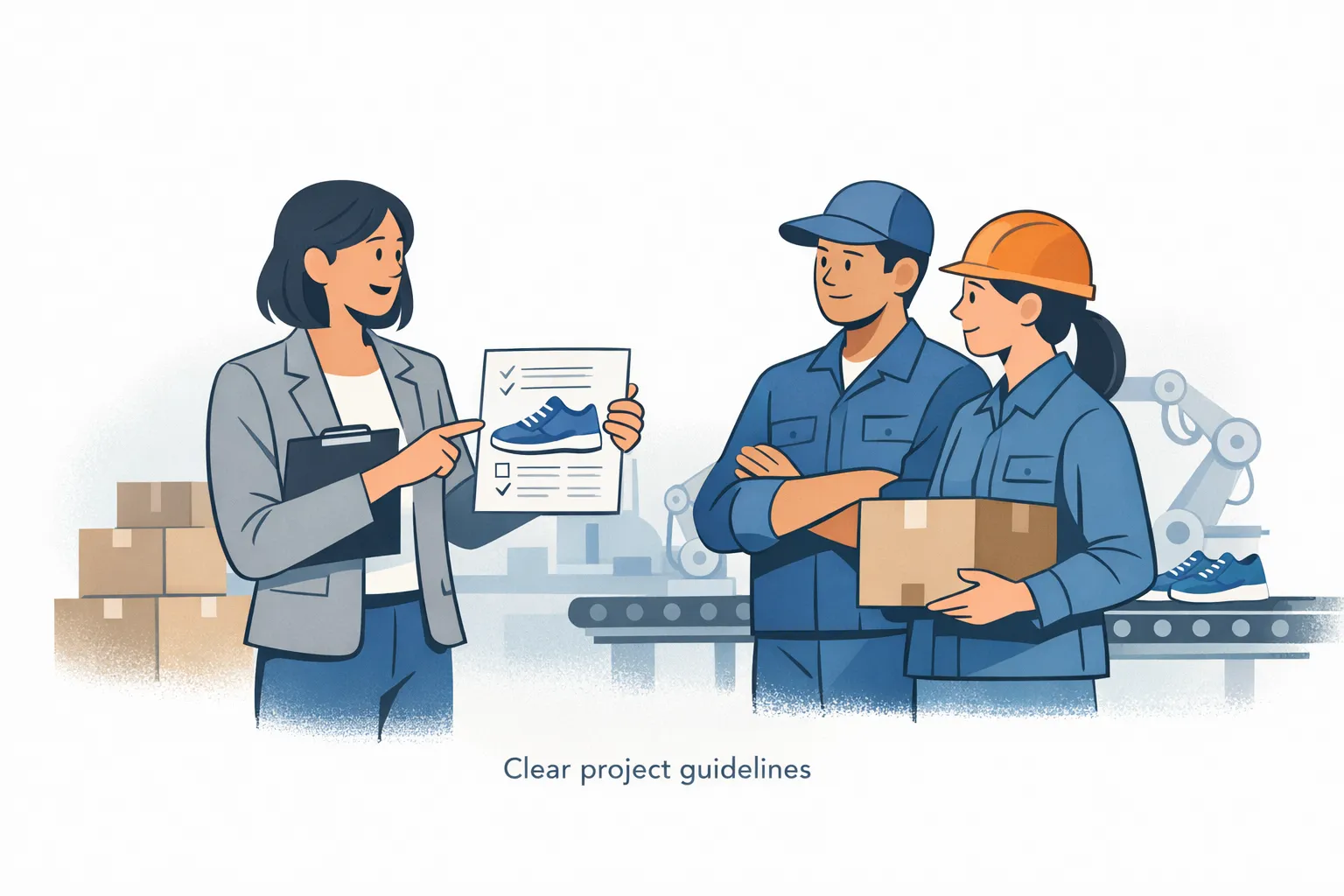
What You Need Before You Start: Prerequisites for Outsourced Content Briefs
Prerequisites matter because they anchor the brief in your business goals, brand standards, and audience needs before any writer begins. Clear inputs reduce revisions, accelerate production, and keep outsourced partners aligned with your strategy. By setting up the right context—objectives, audience, keywords, assets, and governance—you create a repeatable, scalable process that consistently delivers on-brand, high-impact content.
Before you start, make sure you have:
- Clear business objectives and KPIs
- Defined primary audience and job-to-be-done
- Brand guidelines and tone of voice documented
- Ready SEO keywords (primary and secondary) and usage rules
- Approved list of deliverables, formats, and channels
- Access to reference materials (case studies, manuals, prior content)
- Templates for briefs, outlines, and asset briefs
- Defined roles, responsibilities, and approval timelines
- A centralized collaboration and delivery platform
- Visuals guidance and asset rights and usage rules
- A baseline measurement plan to track performance
Execute the Brief-to-Brand Procedure: A 7-Step Action Plan
In this procedural guide you will learn to craft high-impact content briefs for outsourced teams efficiently. The steps prioritize clarity, brand alignment, and SEO readiness, with templates and governance that scale. Expect a practical, repeatable workflow you can implement next week, including how to capture objectives, audience, tone, assets, and sign-off cadences. By following these actions, you’ll reduce revisions, improve quality, and accelerate delivery while maintaining brand integrity.
-
Define Objectives and Audience
Identify the core business goal and translate it into reader-centered outcomes. Document audience segments, pains, and jobs-to-be-done to guide messaging and structure. Align success metrics with the intended outcomes of the content program. A well-structured brief accelerates the production and keeps external teams on plan. Source
How to verify: Objectives and audience are clearly documented and aligned with business goals.
Common fail: Vague goals or poorly defined audience segments.
-
Establish Differentiating Angle
Review competitor content to identify gaps and opportunities. Craft a unique angle that resonates with the audience's JTBD and positions the content as a credible solution. Validate with a quick stakeholder check to ensure alignment. A strong angle strengthens authority and improves content ROI. Source
How to verify: The angle is documented with differentiators and a market gap justification.
Common fail: Copycat framing that mirrors competitors without a distinctive angle.
-
Specify Format, Length, and Channels
Choose the content format (how-to, list, long-form) and set target length and distribution channels. Define the structure and reader journey to ensure coherence across formats. Document any required features like visuals or infographics early to guide production.
How to verify: Format, length, and channels are explicitly listed in the brief.
Common fail: Missing format or ambiguous length and channels.
-
Attach Brand Guidelines and References
Attach brand voice, style, and tone guidelines, plus reference materials such as prior articles or case studies. These inputs anchor the narrative and ensure consistency across outsourced writers.
How to verify: Brand guidelines and references are attached and accessible to collaborators.
Common fail: Missing or outdated brand guidance leading to inconsistent voice.
-
Enumerate Deliverables, Assets, and Specs
List every deliverable with format, resolution, and file type requirements. Include asset rights and usage constraints, and specify where assets will live and how they’ll be delivered.
How to verify: Deliverables, asset specs, and delivery methods are defined and testable.
Common fail: Ambiguous asset requirements causing last-minute rework.
-
Create SEO Plan and Linking Guidance
Define primary and secondary keywords, usage rules, and internal/external linking strategy. Outline how keywords should appear in headings, body, and meta tags to maintain readability. Include a pre-publish SEO checklist for reviewers.
How to verify: Keywords and linking plan are documented and ready for guidance to writers.
Common fail: SEO details are missing or poorly applied by writers.
-
Set Collaboration, Roles, and Approvals
Assign owners for drafting, reviewing, and approving content; establish a cadence for feedback and revisions. Document sign-off steps and escalation paths to prevent bottlenecks. Use a centralized platform to track progress and keep everyone aligned.
How to verify: Roles, timelines, and approval steps are established and visible in the brief.
Common fail: Missing owners or vague sign-off timelines, causing delays.

Verification: Confirming Brief-to-Brand Success Across Outsourced Teams
To confirm your brief-to-brand workflow delivers consistent, high-quality outcomes, use a structured verification approach that validates alignment with goals, audience needs, and brand standards. Check deliverables for completeness, ensure SEO readiness, and confirm governance and approvals are in place. Run a pilot with an outsourced partner to surface gaps early, then apply learnings to every project. This verification routine creates scalable governance that reduces revisions and preserves a strong, on-brand voice across all external contributors.
- Objectives map to business goals
- Audience definitions include pains and JTBD
- Deliverables, formats, and channels are explicit
- Brand guidelines and tone are attached and accessible
- SEO keywords and usage rules are documented
- References and source materials are available
- Roles, responsibilities, and approval timelines are set
- Collaboration platform and feedback cadence are established
- Sign-off processes and deadlines are defined
- Internal linking targets and anchor text plans exist
- Visual assets, rights, and usage guidelines are clear
- Pilot plan is defined to test the brief with a partner
| Checkpoint | What good looks like | How to test | If it fails, try |
|---|---|---|---|
| Objectives alignment | Clear linkage to business KPIs | Review brief against goals and KPI targets | Revisit goals and re-map to strategy |
| Audience clarity | Defined personas with pains and JTBD | Validate with SMEs or stakeholders | Refine personas and scenarios |
| Deliverables complete | All formats and channels specified | Checklist check and sample asset | Add missing items and reshare |
| Brand & SEO readiness | Guidelines attached; keywords defined | Cross-check against brand manual and SEO brief | Update guidelines and keyword usage |
| Approvals in place | Defined owners and deadlines | Verify sign-offs logged in tool | Escalate to governance lead and adjust timeline |
Troubleshooting: Quick Fixes for Outsourced Brief-to-Brand Alignment
Outsourcing briefs can introduce friction that undermines consistency, speed, and impact. This troubleshooting guide identifies common symptoms, explains why they occur, and provides actionable fixes you can implement immediately. By applying these targeted steps, you can stabilize branding, accelerate reviews, and keep external partners aligned with your strategy without sacrificing quality.
-
Symptom: Inconsistent brand voice across outsourced writers.
Why it happens: Brand guidelines aren’t attached to briefs or are not followed; ambiguous tone in the brief leads to misinterpretation.
Fix: Attach and reference a current brand guidelines document in every brief; use a brand-voice checklist and provide example sentences to guide writers.
-
Symptom: Delays in approvals.
Why it happens: No defined owners or sign-off deadlines; unclear escalation paths.
Fix: Assign owners, publish a clear sign-off schedule, and use a single platform for approvals.
-
Symptom: Deliverables missing or unclear specs.
Why it happens: Deliverables, formats, and asset requirements aren’t enumerated; scope gaps.
Fix: Create a deliverables checklist with required formats and attach a sample asset or template for reference.
-
Symptom: SEO guidance ignored by writers.
Why it happens: No explicit usage rules or SEO brief included in the assignment.
Fix: Include a detailed SEO brief with primary/secondary keywords and a pre-publish SEO checklist.
-
Symptom: Brand guidelines not accessible.
Why it happens: Guidelines not attached or stored in a shared, accessible location.
Fix: Attach guidelines to the brief and host them in a centralized, permissioned repository.
-
Symptom: Fragmented collaboration across tools.
Why it happens: Feedback happens in multiple channels with no governance, causing miscommunication.
Fix: Consolidate feedback in a single platform; enable inline comments and version history; define a regular review cadence.
-
Symptom: Scope creep during production.
Why it happens: Vague scope or open-ended requests invite changes after kickoff.
Fix: Lock deliverables, publish a revision policy, and maintain a simple change log for traceability.
-
Symptom: Disorganized assets and unclear rights.
Why it happens: Assets are scattered or rights usage isn’t defined.
Fix: Implement centralized asset management and define rights/usage terms up front in the brief.
What readers ask next about brief-to-brand outsourcing
- How can I ensure the brief captures the brand voice for outsourced teams? Attach up-to-date brand guidelines to every brief and include a short brand-voice checklist; provide example phrases to steer tone.
- What should be included to prevent scope creep? List every deliverable, required formats, channels, and asset specs; include a clear revision policy and change-log process.
- How do you validate the brief with an outsourcing partner before full production? Run a small pilot with a single piece of content, gather feedback, compare against guidelines, and iterate the brief based on results.
- How should SEO be integrated into outsourced briefs? Include primary and secondary keywords, clear usage rules, and a pre-publish SEO checklist; specify how keywords appear in headings, body, and metadata.
- How do you structure collaboration and approvals in a multi-vendor setup? Define roles and ownership early, set sign-off deadlines, and use a single platform for feedback to reduce miscommunication.
- What are the must-have deliverables in an outsourced brief? Deliverables list, formats, channels, asset specs, and links to associated asset rights; ensure all assets have ownership and usage terms.
- How can you ensure consistency when working with many outsourced writers? Use consistent templates, a shared glossary, and regular inline feedback; enforce a centralized governance process.
- How do you measure the success of your brief-to-brand process? Define KPIs for quality, speed, and alignment; track revisions, on-brand accuracy, and time-to-publish after pilot tests.
Common Questions About Brief-to-Brand Outsourcing
- How can I ensure the brief captures the brand voice for outsourced teams? Attach up-to-date brand guidelines to every brief and include a short brand-voice checklist; provide example phrases to steer tone. Define permissible terminology, tone modifiers, and avoid pitfalls; require writers to reference the brand voice in initial drafts. Use inline feedback to correct deviations early and ensure consistency across all vendors. This practice creates predictable voice alignment across multiple writers.
- What should be included to prevent scope creep? Create a deliverables checklist listing each asset, format, channel, and required revision policy; lock scope before kickoff; use a change-log to document requests; define a revision limit and escalation path; include a time-boxed pilot for new vendors to validate scope; hold vendors accountable to the agreed deliverables to avoid drift.
- How do you validate the brief with an outsourcing partner before full production? Run a small pilot with a single piece of content using the drafted brief; gather feedback on clarity, alignment, and execution; compare outputs against brand and SEO guidelines; adjust the brief based on findings; require a quick sign-off on updates before scaling; repeat pilot if needed with additional content types.
- How should SEO be integrated into outsourced briefs? Include primary and secondary keywords with usage rules for headings, body, and metadata; provide a pre-publish SEO checklist; specify internal and external links and anchor text; require a brief keyword map tied to the outline; ensure writers understand content intent and avoid keyword stuffing; validate SEO integration during reviews with a checklist.
- How do you structure collaboration and approvals in a multi-vendor setup? Define roles, owners, and approval deadlines at the outset; use a single platform for feedback and version control; set a regular cadence for reviews; publish escalation paths; ensure clear handoffs between vendors and in-house teams; maintain a centralized governance document and an accessible brief template.
- What are the must-have deliverables in an outsourced brief? List every deliverable, channel, format, and asset requirement; attach brand guidelines and reference materials; include a sample outline, a content map, and expectations for visuals; specify required metadata and SEO elements; provide example copy blocks and a revision policy; ensure owners and deadlines are visible in the brief.
- How can you ensure consistency when working with many outsourced writers? Use standardized templates and a shared glossary; maintain inline feedback and a centralized review process; enforce a consistent voice through a living style guide; require sample phrases and tone notes in every draft; run periodic audits comparing outputs against brand standards; empower your governance lead to address deviations.
- How do you measure the success of your brief-to-brand process? Define measurable goals for quality, speed, and brand alignment; track revisions, time-to-publish, and error rates; collect partner feedback on clarity and collaboration; monitor SEO performance for published pieces; use pilot results to forecast ROI and adjust briefs; institutionalize a continuous-improvement loop in your governance.