Thought Leadership in Content is the strategic practice of building a corporate brand by translating expert insight into trusted, publicly visible leadership. It emphasizes credibility, executive voice, licensing to augment in-house expertise, governance, and consistent formats across the funnel. It differentiates from traditional marketing by educating buyers, shaping industry perspectives, and focusing on trust. A successful program starts with a clear brand perspective, aligns topics to audience needs, and uses a flywheel of content creation, distribution, and feedback. Licensing from reputable publishers can accelerate credibility when integrated with a strong editorial voice and transparent attribution. A pragmatic program balances depth and cadence, measured via KPIs that connect to awareness, engagement, and pipeline impact. It acknowledges edge cases such as regulatory concerns, brand voice consistency, and the need for multi-channel orchestration. The goal is to deliver durable value over time, not one-off hits, and to enable sustained leadership across formats and platforms.
This is for you if:
- You lead marketing or branding and want to build credibility with qualified buyers through executive voices.
- You seek to differentiate your firm by turning deep expertise into consistent, educational thought leadership rather than product-focused promotion.
- You are evaluating licensing to fill gaps while preserving brand voice and clear attribution guidelines.
- You need measurable impact, including brand lift, engagement, and pipeline influence across channels.
- You plan to publish across formats (articles, video, podcasts, events) and distribute through owned properties and reputable partners with a sustainable cadence.
Definitions
Thought leadership and thought leadership marketing
Thought leadership is the practice of producing credible, expert content that educates a field and helps shape industry conversations. It moves beyond product promotion by presenting well sourced insights, data driven narratives, and thoughtful perspectives from recognized authorities. Thought leadership marketing, in turn, is a strategic program designed to raise the visibility of that specialized expertise. The aim is to influence perceptions and buying decisions, not simply to sell a widget. A strong program builds trust over time through steady, high quality contributions across formats and channels.
Corporate vs personal thought leadership
Corporate thought leadership presents viewpoints that reflect the organization as an entity, emphasizing shared values, methods, and strategic priorities. Personal thought leadership elevates the voices of individuals—CEOs, researchers, practitioners—whose expertise anchors the brand in authentic experience. The most effective programs balance both: executives provide credible guardrails while subject matter experts and frontline leaders translate insight into approachable, human content. Governance ensures alignment without stifling authentic voice.
Credibility, trust, and signals of expertise
Credibility comes from demonstrated expertise, transparency, and consistent delivery of value. Signals include rigorous sourcing, data storytelling, clear attributions, reproducible insights, and evidence of real world impact. Trust grows when audiences see executives, researchers, and practitioners contributing regularly and when content addresses real buyer questions with practical takeaways rather than promotional puffery.
Licensing and editorial governance
Licensing in this context means obtaining rights to reuse credible content from respected publishers to augment in house work. It can accelerate authority when integrated with careful attribution and a clearly defined brand voice. Editorial governance establishes content standards, review processes, and decision rights to maintain consistency across formats and channels. The goal is to extend credibility without diluting the brand or misrepresenting licensed material.
Editorial calendar, formats, and audience alignment
An editorial calendar coordinates topics, formats, cadence, and distribution channels. It connects audience needs to content formats such as articles, white papers, videos, podcasts, webinars, and speaking engagements. Alignment means topics mirror buyer concerns at each stage of the journey and reflect the firm’s expertise while preserving a cohesive brand narrative.
Mental models and frameworks
Thought Leadership Flywheel
The flywheel centers on durable momentum: identify white space, stay relevant to audience needs, articulate a clear vision, activate credible voices, deliver concise content, and measure progress to drive repetition. Each cycle reinforces credibility, expands reach, and reduces friction for future outputs. The aim is a self sustaining loop where content quality compounds over time.
- Capitalize on White Space
- Be Relevant
- Set a Vision
- Build Trust
- Be Concise
- Measure Progress
The three content categories
Think of content as three interlocking pillars that together form a robust authority. Industry insights provide context and foresight. Product knowledge grounds the brand in practical expertise. Organizational values and purpose connect the offerings to a larger mission. The strongest programs thread these categories through a single, coherent brand perspective so audiences see a consistent point of view across formats.
- Industry insights
- Product knowledge
- Organizational values and purpose
Licensing augmentation framework
Licensing is most effective when it fills genuine gaps in in house capability and is tightly integrated with editorial standards. Establish clear rights scopes, attribution rules, and usage windows. Always map licensed assets to the editorial calendar and maintain a consistent voice so the licensed material reads as an extension of the brand rather than a detached citation.
Format-to-funnel mapping
Different formats serve different stages of the buyer journey. For awareness, concise insights and visual formats work well; for consideration, in depth analyses and case studies add credibility; for decision, executive briefings and peer level reports aid validation. Align each asset to a stage and audience, ensuring the narrative remains cohesive across formats.
Multi-channel distribution and governance
Distribute through owned properties, partner publications, events, and paid amplification where appropriate. Governance ensures tone, facts, and citations stay aligned with brand standards across channels. A disciplined approach prevents channel fragmentation and preserves the perceived expertise of the authorial voices.
Quality over quantity discipline
Depth and credibility trump volume. A few well researched, clearly written pieces that address real buyer questions will outperform many thinner assets. The discipline requires regular assessment of value delivered to the audience and honest pruning of content that no longer meets standards.
Step-by-step implementation: ordered steps
Step 1 — Align on brand perspective and audience
Begin with a clear statement of the corporate point of view and the executive voice that will anchor thought leadership. Document the target buyer personas, the key decision makers, and the questions those audiences ask. The alignment brief should capture the brand’s core capabilities, the unique value proposition, and the tone that will be used across formats. This step prevents drift as content volumes grow.
Step 2 — Identify topics and scope
Define a narrow, defensible domain that overlaps audience priorities with the firm’s strengths. Build a topic map that includes core themes and edge case topics. Ensure each topic has a clear purpose, potential formats, and visible links to buyer journeys. This scoping is essential to sustain credibility over time and to avoid content fatigue.
Step 3 — Develop a multi-format content plan
Map topics to formats such as articles, long form pieces, white papers, ebooks, videos, podcasts, webinars, and speaking engagements. Assign cadence to each format and identify required resources. A plan with diverse formats increases reach and appeals to different learning preferences while preserving a consistent core narrative.
Step 4 — Establish editorial governance
Create a concise style guide, citation standards, and attribution rules. Define decision rights, review cycles, and publication approvals. Governance should balance speed with quality and ensure that each asset upholds the brand’s credibility. Clear processes reduce delays and prevent misalignment with audience needs.
Step 5 — Activation of leadership and employees
Design programs to enable executives and subject matter experts to contribute authentically. Provide coaching, templates, and collaboration spaces that protect brand voice while encouraging real perspectives. Activation expands the set of voices and strengthens credibility across formats and channels.
Step 6 — Licensing integration (when used)
Identify licensing partners that align with the brand’s values and audience. Define rights scopes, attribution rules, and how licensed pieces will be integrated into editorial calendars. Ensure licensing assets are adapted to fit the brand voice and that proper citations are visible to readers.
Step 7 — Production and publishing workflow
Develop templates, checklists, and production schedules for each format. Establish a shared production calendar, standardize review processes, and ensure quality control across formats. A reliable workflow keeps output consistent and predictable for the audience.
Step 8 — Distribution strategy
Plan distribution across owned channels, partner publications, events, and selective paid amplification. Tailor messages to channel norms and audience segments, and create cross referenced assets so readers can move seamlessly from one format to another. A coherent distribution plan magnifies impact and reach.
Step 9 — Measurement and attribution
Define KPIs that connect activities to awareness, engagement, and pipeline impact. Build a simple dashboard at first, then expand attribution models as data matures. Early on, focus on signal quality—trust signals, engagement depth, and topic resonance—before chasing every metric.
Step 10 — Scale, governance, and continuous improvement
As the program proves value, expand leadership participation and broaden topic coverage while preserving governance. Establish ongoing feedback loops with customers and communities to refine topics, formats, and channels. Document lessons learned and institutionalize best practices to sustain growth over time.

Verification checkpoints
Audience alignment and goals verification
The verification step confirms that the thought leadership program targets the right decision makers and aligns with clearly defined business goals. This means documented audience personas, buyer journeys, and a shared understanding of what success looks like at each stage of the funnel. The sign-off should come from senior leaders and cross-functional partners who own content creation, sales enablement, and demand generation. When alignment exists, topics map cleanly to real questions executives and practitioners face, reducing drift as the library grows. In practice, this checkpoint results in a short alignment brief and a plan for how each asset serves a specific audience need and a defined brand perspective.
Topic map validation
Validate that the topic map covers core themes and edge cases, with explicit rationale tying each topic to audience pain points and business outcomes. Each topic should have a planned format, a suggested publication window, and a link to buyer journeys. This step guards against topic fatigue, ensures cadence is sustainable, and helps teams prioritize formats that maximize resonance across channels. The output is a one-page brief per topic plus a cross-topic narrative that preserves a cohesive brand voice.
Editorial calendar and governance readiness
Editorial governance must be in place before production accelerates. Verify that a published calendar assigns owners, review cycles, and style guidelines for every asset type. Check that attribution rules are clear for any licensed material and that cross-format references are baked into the planning. Governance reduces surprises, speeds approvals, and preserves a consistent tone across executive voices and practitioners.
Pilot readiness and initial signal checks
Before broad rollout, run a controlled pilot with a limited asset set to test resonance, distribution channels, and internal workflows. Define success signals—engagement depth, depth of discussion in comments, and relevance of questions generated. Document learnings and implement concrete improvements to formats, cadence, and voice before scaling the program.
Licensing terms and attribution readiness
When licensing is part of the plan, verify that rights scopes, usage windows, and attribution guidelines are in place and aligned with editorial standards. Ensure licensing assets are clearly identifiable as such and that the brand voice remains intact when they are integrated with in-house content. This checkpoint protects credibility and avoids misalignment between licensed material and brand storytelling.
Measurement framework and attribution readiness
Establish a simple, multi-metric measurement framework that evolves with data maturity. Start with signal quality—trust signals, engagement depth, and topic resonance—and progressively incorporate awareness, consideration, and pipeline indicators as data collects. A live dashboard and a cadence for reporting ensure stakeholders can see progress and learn what to optimize next.
Scale readiness
When scaling, verify that processes are documented, roles are filled, and there is a plan to onboard additional leaders and experts without diluting quality. The check ensures the organization can sustain growth, maintain editorial discipline, and continue delivering credible, valuable insights as the program expands.
Troubleshooting: Pitfalls and fixes
Voice alignment across corporate and personal voices
Pitfall: mixed signals from corporate messaging and individual voices dilute authority. Fix: establish clear guidelines that designate which formats showcase corporate perspective and which invite personal expertise, with editorial checks to preserve a unified brand narrative.
Inconsistent cadence and content fatigue
Pitfall: irregular publishing erodes trust and engagement. Fix: enforce an editorial calendar with guardrails, quarterly reviews, and capacity planning that prevents gaps while allowing flexibility for timely topics.
Licensing misalignment with brand voice
Pitfall: licensed content that sounds foreign to the brand undermines credibility. Fix: require strict tone alignment, attribution clarity, and pre-publication review to ensure licensing assets slot into the editorial voice as a seamless extension.
Governance gaps and process bottlenecks
Pitfall: slow approvals stall momentum and frustrate contributors. Fix: codify roles, establish SLAs for reviews, and implement a lightweight escalation path to maintain speed without sacrificing quality.
Channel fragmentation and cross-linking weaknesses
Pitfall: assets live in silos, with limited cross-referencing across formats. Fix: design a cross-linking strategy that threads core themes through articles, videos, podcasts, and events, so readers can move naturally along the narrative.
Measurement drift beyond engagement
Pitfall: vanity metrics dominate the view, while business impact remains murky. Fix: add attribution-focused metrics tied to awareness, consideration, and pipeline stages; keep a narrative around how content changes buyer behavior.
Alignment gaps between corporate and local priorities
Pitfall: global programs fail to resonate in local markets. Fix: incorporate local audience insights into the core topic map and give regional editors a voice within governance boundaries to tailor content without breaking the brand.
Ethical and licensing risk
Pitfall: overlooking regulatory constraints or misrepresenting licensed sources. Fix: implement a risk review as part of pre-publication checks and maintain clear documentation of sources and rights.
Backend production bottlenecks
Pitfall: production becomes a bottleneck as formats diversify. Fix: build reusable templates, scalable workflows, and a pool of trusted editorial partners to keep quality consistent without overloading teams.
Table: Editorial calendar and content lifecycle
The following table provides a compact, actionable view of how topics flow from discovery to distribution, and how governance and measurement fit along the way.
| Stage | Key Activities | Owner | Cadence / Timeline | Deliverables |
|---|---|---|---|---|
| Discovery & alignment | Define brand perspective, audience needs, and core themes | Head of Thought Leadership | Quarterly refresh | Alignment brief, topic map |
| Topic development | Develop topic briefs and format plan | Content Strategy Lead | Monthly sprint | Topic briefs, format templates |
| Production | Write, record, design, and edit assets | Content Teams + SMEs | Ongoing; staggered releases | Draft assets, final assets |
| Governance & reviews | Editorial review, licensing checks, attributions | Editorial Board | Per asset set | Approved assets with citations |
| Distribution | Publish on owned channels and partner outlets; events | Distribution Lead | Continuous | Published assets, cross-links |
| Measurement & optimization | Track KPIs, gather feedback, adjust topics/formats | Marketing Analytics | Monthly | Dashboards, optimization plan |
Follow-up questions
What comes next after launching a pilot?
Learnings from a pilot should feed the broader calendar, with topic tweaks, adjusted formats, and refined governance to scale confidently.
How can you broaden leadership participation without diluting quality?
Develop a staged activation plan that includes coaching, clear framing, and editorial guardrails; gradually diversify voices while preserving a core brand perspective.
How do you balance corporate voice with authentic personal perspectives?
Define which formats foreground corporate framing and which invite personal experiences, keeping a consistent voice anchor and ensuring attribution and disclosure where appropriate.
FAQ
What defines effective thought leadership in content marketing?
Effective thought leadership delivers credible, expert insights that educate and influence industry conversations, presented by recognized authorities and reinforced by consistent, high-quality execution.
Why consider licensing as part of a thought leadership program?
Licensing can extend credibility by aligning with respected publishers while enabling controlled integration that preserves brand voice and attribution.
What formats belong in a robust program?
A robust program uses multiple formats—articles and long-form pieces, white papers, ebooks, videos, podcasts, webinars, and speaking engagements—to reach diverse audiences.
How should executive voices be prepared for leadership content?
Preparation involves targeted briefing, coaching on audience relevance, and guidance on ethical disclosures, ensuring perspectives are clear and grounded in real expertise.
How can you measure impact without overemphasizing vanity metrics?
Track a combination of engagement depth, audience reach, and alignment with buyer journeys; where possible, connect activities to awareness, consideration, and pipeline indicators.
When does licensing add value versus risk?
Licensing adds value when it fills genuine gaps in expertise and enhances credibility, provided attribution and editorial alignment are clearly managed.
How can programs be sustained over time?
Maintain a steady cadence, refresh topics with market feedback, cultivate multiple voices, and institutionalize governance to support long-term growth.
What governance practices support multi-channel distribution?
Clear ownership, consistent style guidance, channel-specific rules, and regular audits ensure coherence across owned, partner, and event channels.
How should thought leadership align with sales enablement?
Provide assets that inform buyers at each stage, embed core talking points for sales conversations, and measure influence on deals and conversations where feasible.
Step-by-step implementation: ordered steps
Step 11 — Institutionalize feedback loops
To sustain credibility over time, embed structured feedback loops with customers, prospects, and internal stakeholders. Establish a quarterly review ritual where content performance is audited against defined goals, audience sentiment is captured, and competitive positioning is reassessed. Use direct input from sales and client success to surface new questions that buyers are actually asking, then translate those into topic briefs for the next cycle. Document learnings in a centralized repository so future assets can reference proven angles and avoid past missteps. The aim is to convert feedback into a measurable tightening of the editorial map, ensuring that the thought leadership program remains relevant to evolving buyer needs and market dynamics.
Step 12 — Sustainment and future-proofing
Future-proofing requires a long-term governance model that scales with the organization. Expand leadership participation to cover multiple domains, ensure consistent voice across formats, and invest in ongoing storytelling training for executives and SMEs. Build a scalable content production engine: reusable templates, clear handoffs, and a pool of vetted contributors who can step in during peak periods. Align the roadmap to product cycles, market shifts, and regulatory considerations where applicable. By formalizing governance and continuously refreshing topics, the program becomes an enduring driver of trust and brand strength, not a temporary campaign.
Verification checkpoints
Verification after Step 11 — feedback loop operationalization
Verification requires documented processes: a defined cadence for feedback collection, a centralized feedback hub, and a plan showing how insights influence upcoming topics. Ensure stakeholders sign off on the evolution of the topic map and that a quantifiable link exists between feedback, topic refinement, and upcoming assets. The goal is a transparent mechanism that proves feedback translates into concrete content decisions.
Verification after Step 12 — future-proof governance in place
Verification involves a published, multi-year content governance framework, a rotating roster of participating leaders, and a validated risk and compliance review protocol for licensing and executive participation. Confirm that the road map demonstrates adaptability to market changes and that performance targets align with the broader business strategy. The outcome is a credible, scalable program with clear accountability for continuous improvement.
Troubleshooting: Pitfalls + fixes (continuation)
Leadership fatigue and uneven participation
Pitfall: over-reliance on a small group of leaders slows momentum and risks burnout. Fix: rotate participation, cultivate a broader pipeline of SME authors, and set explicit, time-bound commitments with managerial support to protect capacity.
Tooling fragmentation and process drift
Pitfall: disparate tools and fragmented workflows create friction. Fix: consolidate to a single content platform or clearly integrated suite, standardize templates, and enforce consistent review cycles to maintain discipline across formats.
Data integrity challenges and misattribution
Pitfall: poor data handling leads to credibility gaps, especially with licensed content. Fix: enforce strict attribution rules, citation standards, and a pre-publication compliance check that confirms rights and context before any asset goes live.
Voice drift across scale
Pitfall: as teams grow, the brand voice may drift from its core perspective. Fix: refresh a centralized style guide, provide regular calibration sessions with editors, and require cross-format sign-offs to preserve a unified narrative while allowing authentic voices.
Cross-channel coherence gaps
Pitfall: assets exist in silos with weak cross-references, dimming overall impact. Fix: implement a cross-linking framework that ties assets back to core themes, with explicit prompts for repurposing and interlinking during production planning.
Undervalued qualitative insights
Pitfall: relying too heavily on quantitative vanity metrics while ignoring qualitative signals from buyers. Fix: pair dashboards with narrative reviews from frontline teams, and include buyer feedback, questions raised in webinars, and theme resonance as formal success indicators.
Licensing mismanagement in evolving markets
Pitfall: licensing agreements become stale as markets and publishers shift. Fix: conduct periodic rights audits, renew rights with updated terms, and maintain a living catalog of licensed assets aligned to current editorial objectives.
Regulatory and ethical risk under scaling
Pitfall: expanding thought leadership without addressing regulatory or ethical considerations. Fix: implement ongoing risk assessments, establish a pre-publication ethics checklist, and require review from counsel or compliance when needed.
All claims should be grounded in evidence, with no invented data. When referencing non-obvious points tied to external sources, include a citation if a URL exists in the prior inputs. If uncertain about a claim’s basis, rephrase conservatively or omit it. The article should prioritize qualitative reasoning, practical outcomes, and cited best practices over speculative statistics.
Link rules
Use only valid URLs from prior inputs when citing sources. If no URL is available for a claim, do not attach a link or present the statement as a widely accepted principle without a source. When URLs are present, embed them directly after the relevant sentence using a standard anchor tag to provide a clear, verifiable path to the supporting material.
Output formatting and delivery rules
Deliver content as pure HTML only, using allowed tags. Do not include markdown, placeholders, or external scripts. Maintain a clean, reader-friendly structure with short paragraphs and purposeful subheadings. The structure should reflect the outline, with two levels of headings (H2 and H3) and a cohesive narrative that maintains continuity from Part A and Part B. Do not reuse the exact phrasing from earlier sections; synthesize to preserve originality while staying true to the core concepts.
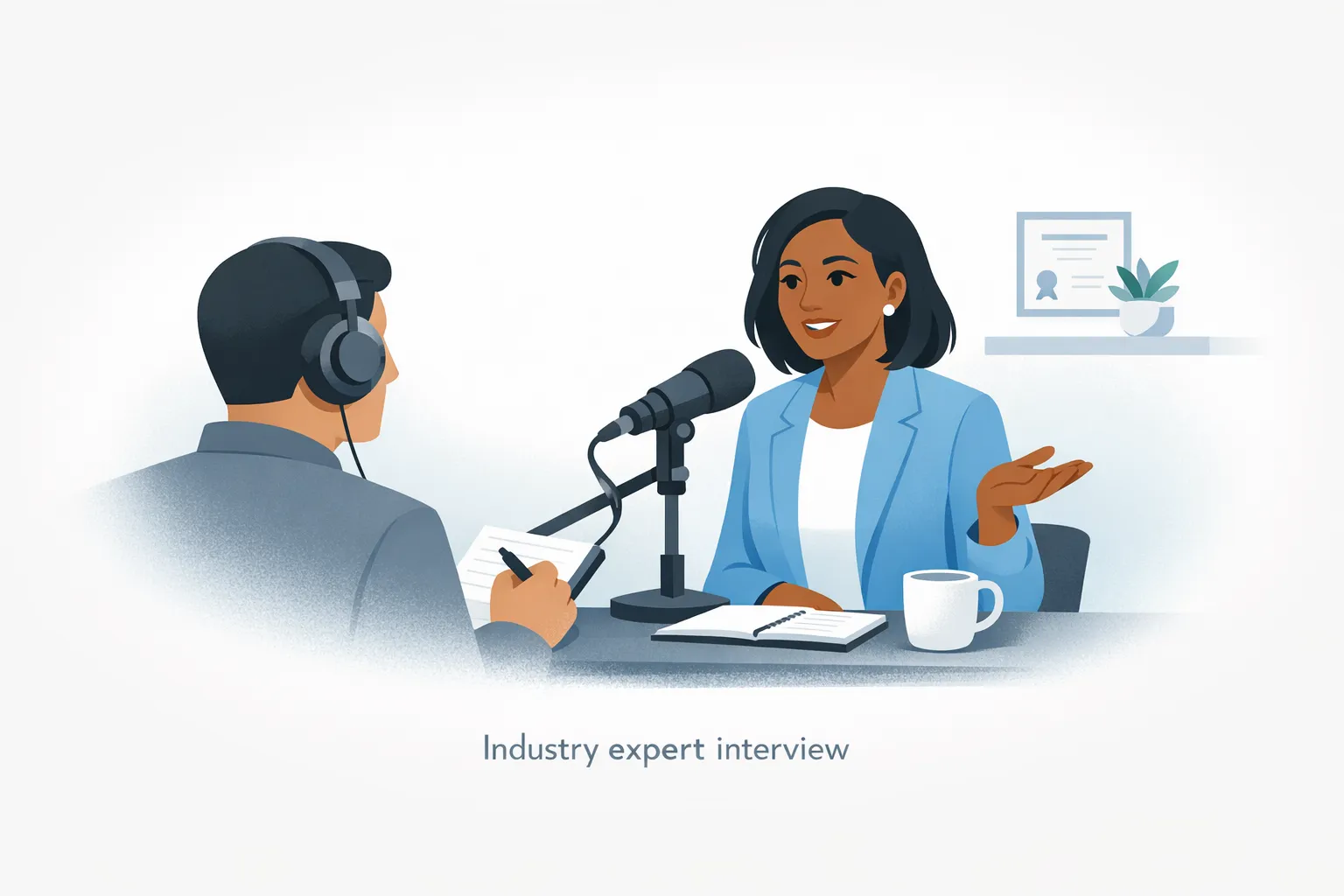
Credibility Signals for Thought Leadership in Content: Verified Foundations That Drive Trust
- Thought leadership credibility solidifies when executive voices are paired with rigorous sourcing, data storytelling, and tangible, real-world impact. Source
- Decision-makers devote substantial time to thought leadership and increasingly rely on it to vet vendors and guide procurement decisions. Source
- Consistent, high-quality thought leadership that delivers fresh perspectives makes sales outreach more receptive; sporadic content reduces resonance. Source
- Licensing from reputable publishers can accelerate credibility when rights, attribution, and brand voice are tightly managed. Source
- Licensing assets should be mapped to the editorial calendar and integrated with a unified tone to read as an extension of the brand. Source
- The “Three Content Categories” model—Industry insights, Product knowledge, and Organizational values—provides a cohesive framework for cross-format credibility. Source
- The Thought Leadership Flywheel emphasizes capitalizing on white space, staying relevant, setting a vision, building trust, being concise, and measuring progress to sustain credibility over time. Source
- Video content remains a powerhouse for credibility and engagement; 96% of people have watched an explainer video, signaling strong preference for visual storytelling. Source
- Landing-page video can significantly lift conversions, with measurable uplift when aligned with a clear narrative and strong value proposition. Source
- Editorial governance—clear style guides, attribution standards, and review cadences—protects brand integrity as output scales. Source
- Cross-channel distribution, including owned channels and partner publications, reinforces authority and extends reach while preserving voice. Source
- Active executive activation and broad employee participation amplify credibility by showcasing authentic voices across formats and channels. Source
Foundational Source Anchors for Thought Leadership in Content
- Edelman B2B Thought Leadership Impact Report 2024: https://www.edelman.com/research/b2b-thought-leadership-impact-2024 Source
- The New York Times licensing model overview: https://www.nytimes.com/ Source
- Editorial governance and brand integrity resources: https://www.edelman.com/ Source
- Three content categories framing credibility: https://www.edelman.com/research/b2b-thought-leadership-impact-2024 Source
- The thought leadership flywheel methodology: https://www.edelman.com/research/b2b-thought-leadership-impact-2024 Source
- Cross channel distribution best practices for thought leadership: https://www.linkedin.com/ Source
- Video as a credibility anchor in content programs: https://www.wyzowl.com/ Source
- Landing page video uplift data and conversions: https://www.unbounce.com/ Source
- Explainer video consumption and impact on product understanding: https://www.wyzowl.com/ Source
- Executive activation and employee participation perspectives: https://www.linkedin.com/ Source
- Editorial calendar and governance readiness concepts: https://www.edelman.com/ Source
Use these sources to ground claims with verifiable data and respected industry perspectives. When citing them, link directly to the original pages and ensure attribution is clear. Verify the context and date of each data point, and corroborate with at least one additional source where possible to strengthen credibility. Treat licensing references as enhancements, not replacements for internal expertise, and maintain a consistent brand voice across all referenced materials to preserve trust with readers.
Readers also ask next about Thought Leadership in Content: Building a Corporate Brand Through Expertise
- What is the core aim of thought leadership content? To educate buyers, shape industry conversations, and build trust by delivering credible insights from recognized authorities.
- How should licensing be used to augment in‑house expertise? Licensing should fill genuine gaps, be tightly integrated with editorial standards, and preserve the brand voice with clear attribution.
- Which formats should we prioritize for B2B thought leadership? A mix of articles, videos, podcasts, webinars, and white papers aligned to buyer journeys yields broad reach and depth.
- How can governance scale without stifling authentic voices? Establish clear roles, review cycles, and style guidelines while enabling multiple leaders to contribute within a cohesive framework.
- What signals build credibility for thought leadership? Rigorous sourcing, transparent attribution, executive participation, and evidence of real‑world impact signal credibility.
- How should you measure impact beyond engagement metrics? Track awareness and pipeline indicators, use multi‑metric dashboards, and connect activities to buyer decisions over time.
- How can executives participate without slowing production? Provide coaching, concise briefs, and scheduled windows for contributions to maintain cadence.
- How important is audience alignment when selecting topics? Very important; topics should address real buyer pain points and link to the firm’s core strengths.”
- How should edge cases like licensing rights be managed? Maintain clear rights scopes, renewal terms, and attribution rules; keep a living catalog of licensed assets.
- What is the role of cross‑channel distribution in credibility? Distributing across owned and partner channels reinforces authority while preserving voice consistency.
Bringing Thought Leadership to Life: A Strategic Decision Lens
Building a corporate brand through expertise requires a structured program that aligns a clear brand perspective with audience needs, credible voices, and measurable impact. It depends on governance, a disciplined editorial calendar, and a thoughtful mix of formats across owned and partner channels. Thought leadership is a long-term investment in trust, not a one-off burst of content. When executed with rigor, licensing can augment in-house insight without diluting the brand voice, provided attribution and tone remain consistent.
Guide decisions with a simple but sturdy lattice: licensing versus in‑house content, formats and channels, cadence and capacity, and a transparent approach to measurement. The editorial calendar becomes the compass, while editorial governance keeps quality and voice aligned as the library of assets grows. In practice, this means designing short, repeatable production cycles that sustain depth, relevance, and credibility across audiences and stages of the journey.
Begin with a controlled pilot to validate core assumptions about topics, formats, and distribution. Capture what resonates, which voices contribute most effectively, and how partners influence reach. Use those learnings to refine topic maps, adjust formats, and tune the governance model before scaling to broader leadership participation. Throughout, maintain clear links between content and buyer considerations, and ensure every asset carries appropriate attribution where licensing is involved.
As the program matures, invest in sustainment: broaden leadership and SME participation while preserving a cohesive brand narrative; refresh topics to reflect market shifts; strengthen ethical and regulatory guardrails around licensing; and maintain an open feedback loop with customers and communities. This approach creates a cumulative effect where credibility compounds, the brand becomes a trusted resource, and a durable differentiation emerges. Start with a concrete move today: align on the brand perspective and audience, then outline a 90‑day pilot that tests three formats and one distribution partner to set the course for scale.